


Hi, I'm Sarah Mitchell. I've spent years researching metabolic health to help women reclaim their energy and balance their hormones naturally. Welcome to BioHealth Source.
There’s a compound that’s been quietly making waves in metabolic health research for years. It’s not a new pharmaceutical drug. It’s not a trendy superfood. It’s a plant-based compound that has been used in traditional Chinese and Ayurvedic medicine for centuries — and modern science is now catching up to what ancient practitioners already knew.
If you’ve been researching natural ways to manage insulin resistance or stabilize blood sugar, you’ve almost certainly come across it. But with so much noise online — bold claims, conflicting reviews, and supplement companies overpromising results — it’s hard to know what’s actually true.
In this guide, we’re going to cut through the hype and look at what the research actually says about berberine for insulin resistance. How does it work? Does it really lower blood sugar? Who should consider it — and who should be careful?
Let’s find out.
What Is Berberine?
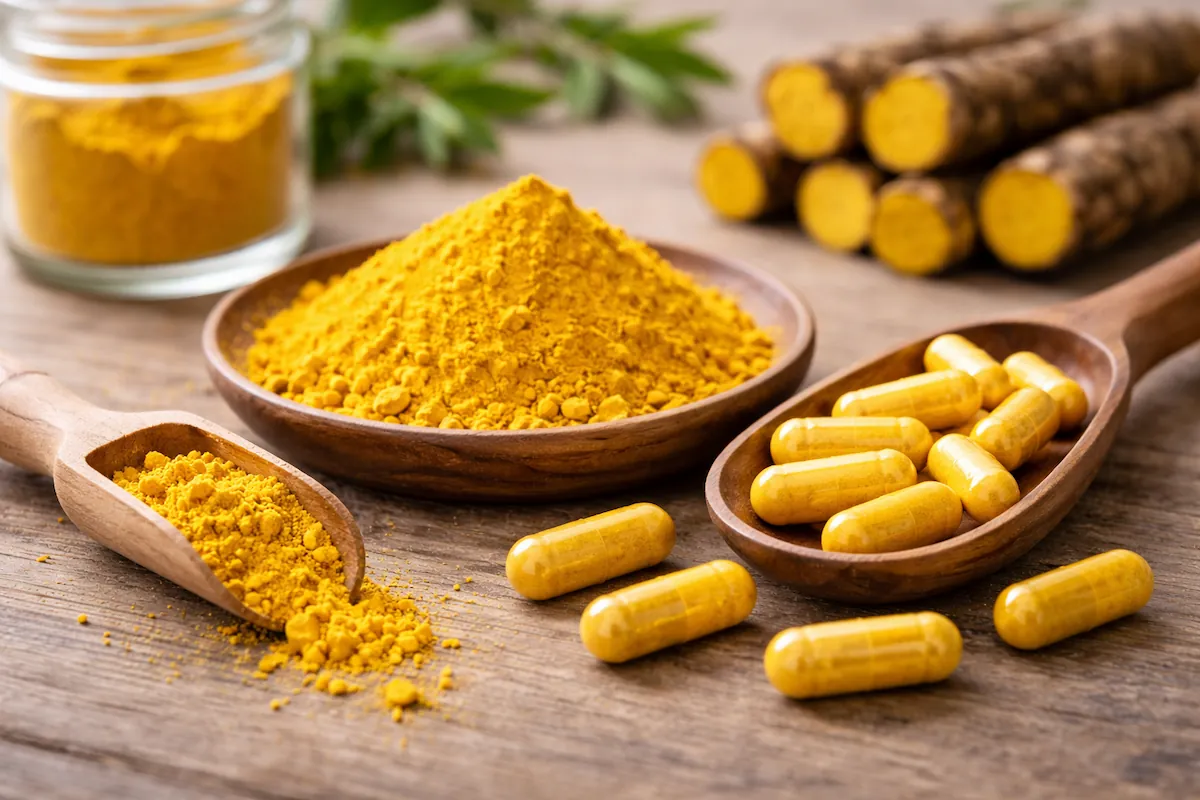
Berberine is a naturally occurring compound called an alkaloid. It’s found in the roots, bark, and stems of several plants, including barberry (Berberis vulgaris), goldenseal, and Oregon grape. Its distinctive bright yellow color has made it recognizable in herbal medicine for thousands of years.
In traditional medicine, berberine was used to treat infections, digestive issues, and inflammation. But over the past two decades, researchers have become increasingly interested in something else entirely — its remarkable effects on blood sugar and metabolic function.
Today, berberine is one of the most studied natural compounds for insulin resistance, type 2 diabetes, and metabolic syndrome. And the results, in many cases, are striking.
The research on berberine for insulin resistance has grown significantly over the past two decades — and the results are worth understanding.
No other natural compound has shown results quite like berberine for insulin resistance in head-to-head clinical comparisons
How Does Berberine Work for Insulin Resistance?
To understand why berberine is so interesting to researchers, you need to understand one key mechanism: AMPK activation.
This is why berberine for insulin resistance has become one of the most researched natural compounds in metabolic health.
AMPK (adenosine monophosphate-activated protein kinase) is often called the body’s “metabolic master switch.” When AMPK is activated, it triggers a cascade of beneficial metabolic effects — including improved glucose uptake, reduced glucose production in the liver, and enhanced insulin sensitivity.
Berberine activates AMPK powerfully and directly. This is the same pathway activated by the diabetes drug metformin — one of the most prescribed medications in the world for type 2 diabetes.
But berberine doesn’t stop there. Research shows it also works through several additional mechanisms:
It slows the breakdown of carbohydrates in the gut, reducing how quickly glucose enters the bloodstream after meals. It increases the number of insulin receptors on cell surfaces, making cells more responsive to insulin. It reduces inflammation in fat tissue — a key driver of insulin resistance. And it improves the function of the gut microbiome, which plays a surprisingly important role in glucose metabolism.
The result is a compound that attacks insulin resistance from multiple angles simultaneously — which may explain why the research results are often so impressive.
If you’re not sure whether you have insulin resistance, our guide on the early signs of insulin resistance can help you understand what to look for.
What Does the Research Say? Berberine vs. Metformin
Here’s where it gets really interesting.
A landmark clinical trial published in Metabolism compared berberine directly to metformin in patients with type 2 diabetes over three months. The results were remarkable: berberine reduced fasting blood sugar by 20%, reduced post-meal blood sugar by 26%, and lowered HbA1c (a key marker of long-term blood sugar control) by 18% — results comparable to metformin.
A comprehensive meta-analysis published in Evidence-Based Complementary and Alternative Medicine reviewed 27 randomized controlled trials involving over 2,500 patients. The conclusion? Berberine significantly reduces fasting blood glucose, post-meal blood glucose, and HbA1c in people with type 2 diabetes and metabolic syndrome.
Another study found that combining berberine with lifestyle changes produced better results than lifestyle changes alone — suggesting it works best as part of a broader metabolic health strategy, not as a standalone fix.
To be clear: these studies are promising, but most were conducted in people with diagnosed type 2 diabetes or metabolic syndrome. Research specifically on berberine for insulin resistance (without full diabetes) is still growing.
Berberine for Insulin Resistance — What the Evidence Actually Shows
For people with insulin resistance specifically — not yet diabetic, but with impaired glucose metabolism — the evidence for berberine is encouraging, though less extensive than for full type 2 diabetes.
Studies on berberine for insulin resistance specifically show improvements in fasting insulin and HOMA-IR scores.
Studies suggest berberine can reduce fasting insulin levels, improve the HOMA-IR index (a standard measure of insulin resistance), and lower fasting blood glucose in people with prediabetes and metabolic syndrome.
One particularly relevant study found that berberine improved insulin sensitivity in women with polycystic ovary syndrome (PCOS) — a condition closely linked to insulin resistance — with results comparable to metformin.
The honest assessment? If you have insulin resistance, berberine is one of the most evidence-backed natural supplements you can consider. It’s not magic, and it won’t replace diet and exercise. But the research suggests it can meaningfully support your metabolic health when used correctly.
For context on how insulin resistance affects women specifically, read our guide on insulin resistance symptoms in females.
How to Take Berberine — Dosage and Timing

If you’re considering berberine, how you take it matters as much as whether you take it.
Getting the dosage right is essential to make berberine for insulin resistance work effectively.
Dosage: The most studied dose is 500mg taken two to three times per day, for a total of 1,000–1,500mg daily. This is the range used in most clinical trials showing blood sugar benefits.
Timing: Take berberine with meals or immediately before eating. This is important — berberine works partly by slowing carbohydrate absorption in the gut, so taking it with food maximizes this effect while also reducing the digestive side effects some people experience on an empty stomach.
Cycling: Many practitioners recommend cycling berberine — taking it for 8 to 12 weeks, then taking a 4-week break before resuming. This is because berberine may lose some effectiveness over time if taken continuously, and cycling may help maintain its benefits. That said, research on optimal cycling protocols is still limited.
Form: Look for berberine HCl (hydrochloride), which is the most bioavailable and most studied form. Some newer formulations use dihydroberberine, which may absorb more efficiently at lower doses.
Berberine and Diet — How to Get the Best Results

Berberine works best when combined with the dietary strategies that directly address insulin resistance.
This combination approach makes berberine for insulin resistance significantly more effective than supplementation alone.
Pairing berberine with a lower-glycemic diet — one that prioritizes vegetables, quality proteins, healthy fats, and fiber — amplifies its blood sugar benefits significantly. The supplement reduces glucose absorption; the diet reduces the glucose load. Together, they create a powerful synergy.
Eating vegetables and protein before carbohydrates (the fiber-first approach) is particularly effective alongside berberine. Our guide on the best foods for insulin resistance covers exactly which foods to prioritize.
Exercise adds another layer. Movement activates the same AMPK pathway as berberine — meaning that regular exercise and berberine supplementation may work synergistically to improve insulin sensitivity. For practical exercise strategies, check out our guide on exercises to reduce blood sugar levels.
Side Effects and Who Should Be Careful

Berberine is generally well-tolerated, but it’s not without side effects — and there are important groups who should approach it with caution.
Most people using berberine for insulin resistance tolerate it well when starting with a lower dose.
Common side effects include digestive discomfort, nausea, constipation, or diarrhea — particularly when starting out or taking it on an empty stomach. These effects are usually mild and often resolve within a few weeks as the body adjusts. Starting with a lower dose (250mg) and gradually increasing can help minimize them.
Drug interactions are the most important safety consideration. Berberine inhibits certain liver enzymes (CYP3A4 and CYP2D6) that metabolize many medications. This means it can increase the blood levels of certain drugs, including some statins, blood thinners, and immunosuppressants. If you take any prescription medication, speak with your doctor before starting berberine.
Blood sugar medications: If you take metformin or insulin, berberine can have an additive effect on blood sugar lowering — potentially causing hypoglycemia. This combination should only be used under medical supervision.
Pregnancy and breastfeeding: Berberine is not recommended during pregnancy or breastfeeding. Research suggests it may cross the placental barrier, and safety in these populations has not been established.
The bottom line on safety: For most healthy adults looking to support metabolic health naturally, berberine at standard doses is considered safe for short-to-medium term use. But given its potency and interaction potential, speaking with a healthcare provider before starting is always the right move.
Berberine vs. Other Natural Blood Sugar Supplements
Here’s how berberine for insulin resistance compares to other popular natural supplements:
| Supplement | Main Mechanism | Evidence Level | Best For |
|---|---|---|---|
| Berberine | AMPK activation, insulin sensitivity | Strong | Insulin resistance, prediabetes |
| Magnesium | Cofactor for insulin signaling | Moderate-Strong | Deficiency correction |
| Cinnamon | Insulin receptor sensitization | Moderate | Mild blood sugar support |
| Chromium | Enhances insulin action | Moderate | Insulin sensitivity |
| Alpha-lipoic acid | Antioxidant, glucose uptake | Moderate | Oxidative stress, neuropathy |
Berberine consistently ranks among the most evidence-backed natural supplements for insulin resistance and blood sugar control. It’s not the only tool in the box — but for many people, it’s the most powerful one.
Frequently Asked Questions (FAQ)
How long does berberine take to work for blood sugar?
Most studies on berberine for insulin resistance show meaningful improvements in fasting blood sugar and insulin sensitivity within 4 to 8 weeks of consistent use. Some people notice changes in energy and post-meal blood sugar within the first two weeks.
Can berberine replace metformin?
Berberine should never replace a prescribed medication without medical supervision. While some studies show comparable effects to metformin, this does not mean they are interchangeable for everyone. Always consult your doctor before making any changes to prescribed medication.
Is berberine safe for long-term use?
Most clinical trials have studied berberine for periods of 3 to 6 months. Long-term safety data beyond this is limited. Many practitioners recommend cycling — using it for 8 to 12 weeks, then taking a break — as a precautionary approach.
Can I take berberine if I don’t have diabetes?
Yes — Berberine for insulin resistance is actually one of its most common and well-supported uses. Berberine is commonly used by people with insulin resistance, prediabetes, or metabolic syndrome who do not have a formal diabetes diagnosis. However, given its potency, starting with a lower dose and consulting a healthcare provider is recommended.
Does berberine cause weight loss?
Some studies show modest weight loss alongside blood sugar improvements, likely due to improved insulin sensitivity and reduced fat storage. However, berberine is not a weight loss supplement — any weight effects are secondary to its metabolic benefits.
The Bottom Line
The evidence for berberine for insulin resistance is genuinely compelling. It activates the same metabolic pathway as metformin, improves insulin sensitivity, reduces fasting blood sugar, and lowers post-meal glucose spikes — with a safety profile that, for most people, is well-tolerated.
Multiple clinical trials and meta-analyses confirm that berberine for insulin resistance produces real, measurable results
But berberine is not a magic pill. It works best as one piece of a larger metabolic health strategy — alongside a blood-sugar-friendly diet, regular movement, and consistent sleep.
If you’re dealing with insulin resistance and looking for a natural supplement with real scientific backing, berberine deserves serious consideration. Just make sure to use it correctly, cycle it appropriately, and talk to your doctor if you take any medications.
For a complete picture of how to manage insulin resistance naturally, read our guide on how to lower blood sugar naturally.
“Berberine is one of the few natural compounds I genuinely get excited about — not because of hype, but because the research is real. When combined with smart eating habits and consistent movement, it can be a meaningful part of your metabolic health toolkit. As always, use it wisely, cycle it, and work with your doctor if you’re on any medications.”
— Sarah Mitchell
Sources & Scientific References
- Metabolism: Clinical trial comparing berberine and metformin in type 2 diabetes
- Evidence-Based Complementary and Alternative Medicine: Meta-analysis of berberine for blood glucose control
- Journal of Clinical Endocrinology & Metabolism: Berberine and insulin resistance in PCOS
- American Diabetes Association: Standards of Care
Medical Disclaimer: The information provided on BioHealth Source is for educational and informational purposes only and does not constitute medical advice. Always consult with a qualified healthcare professional before making significant changes to your diet, exercise routine, or if you have questions regarding a medical condition.
Affiliate Disclosure: This post may contain affiliate links. If you click on one of these links and make a purchase, we may receive a small commission at no extra cost to you. This helps support our research and content creation. We only recommend products we truly believe in.