Latest posts
Do Artificial Sweeteners Raise Blood Sugar? The Truth About Insulin No One Explains
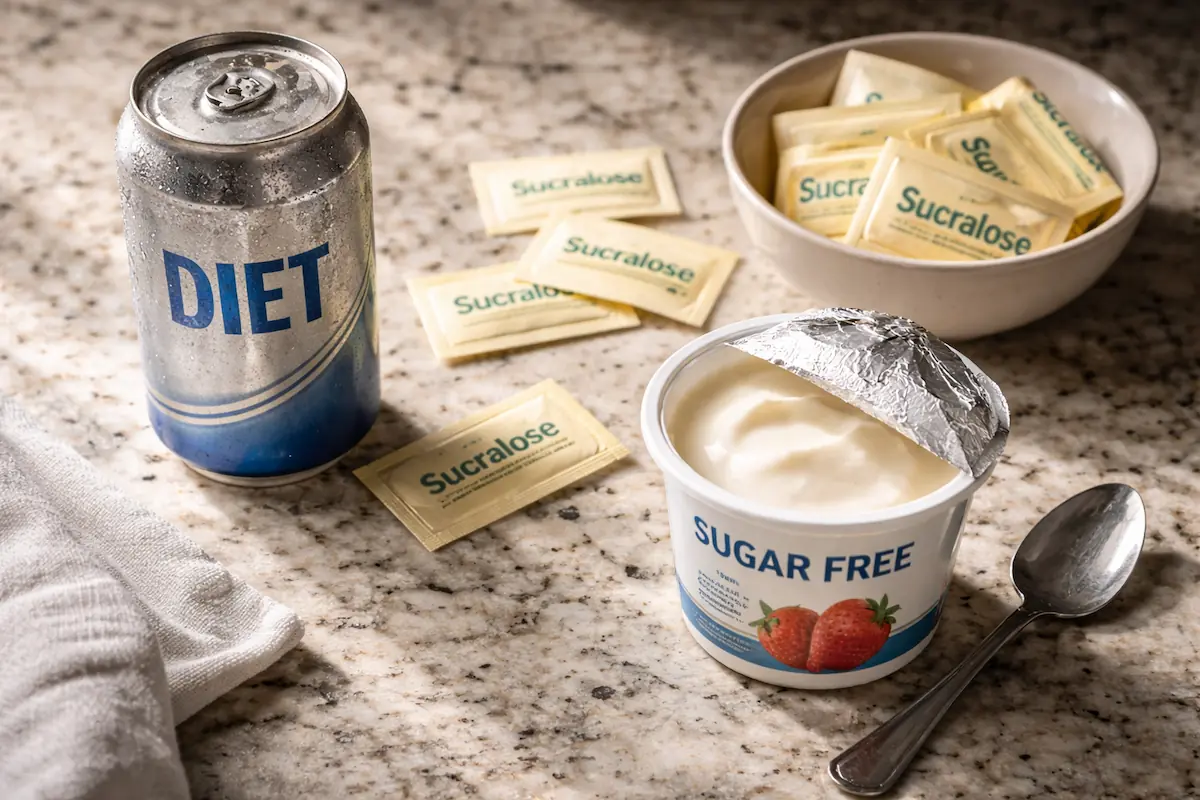
Quick Answer: Most artificial sweeteners don’t raise blood glucose directly — but they can trigger an insulin response through taste receptors, disrupt gut bacteria with regular use, and increase cravings. Sucralose, aspartame, and saccharin carry the most risk. For people managing blood sugar or prediabetes, stevia and monk fruit are significantly safer alternatives. The relationship…
How to Reverse Insulin Resistance: A Step-by-Step Timeline

Quick Answer: If you’re wondering how to reverse insulin resistance, it can begin improving within 24–72 hours of dietary changes.With consistent lifestyle interventions — including diet, exercise, sleep, and stress management — significant reversal is typically possible within 3 to 6 months. What Is Insulin Resistance — and Why Does It Matter? Insulin is a…
7-Day Prediabetes Meal Plan: A Simple Guide to Lower Blood Sugar
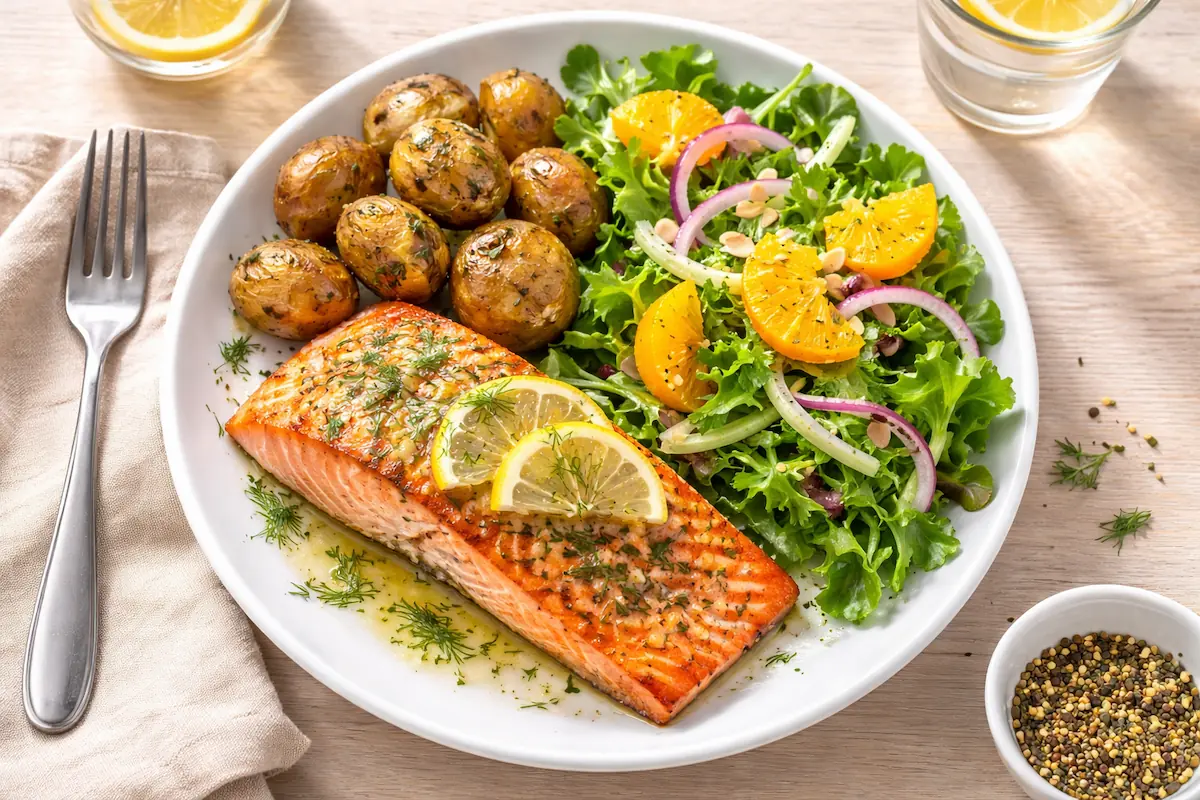
You just received a prediabetes diagnosis. Or maybe you’ve been tracking your blood sugar and you know your numbers are higher than they should be. Either way, you’re probably asking the same question everyone asks at this moment: “What do I eat tomorrow?” Not next month. Not after reading ten more articles. Tomorrow morning. This…
Stress and Cortisol Blood Sugar: 8 Ways to Break the Cycle

Quick Answer:Stress raises blood sugar by increasing cortisol, a hormone that signals the liver to release glucose and reduces insulin sensitivity. Chronic stress keeps blood sugar elevated even without changes in diet, making stress management essential for metabolic health. You’ve been eating well. You’ve been walking after meals. You’ve been choosing the right carbohydrates. And…
The Best Low Glycemic Carbohydrates: How to Eat Carbs Without the Spike
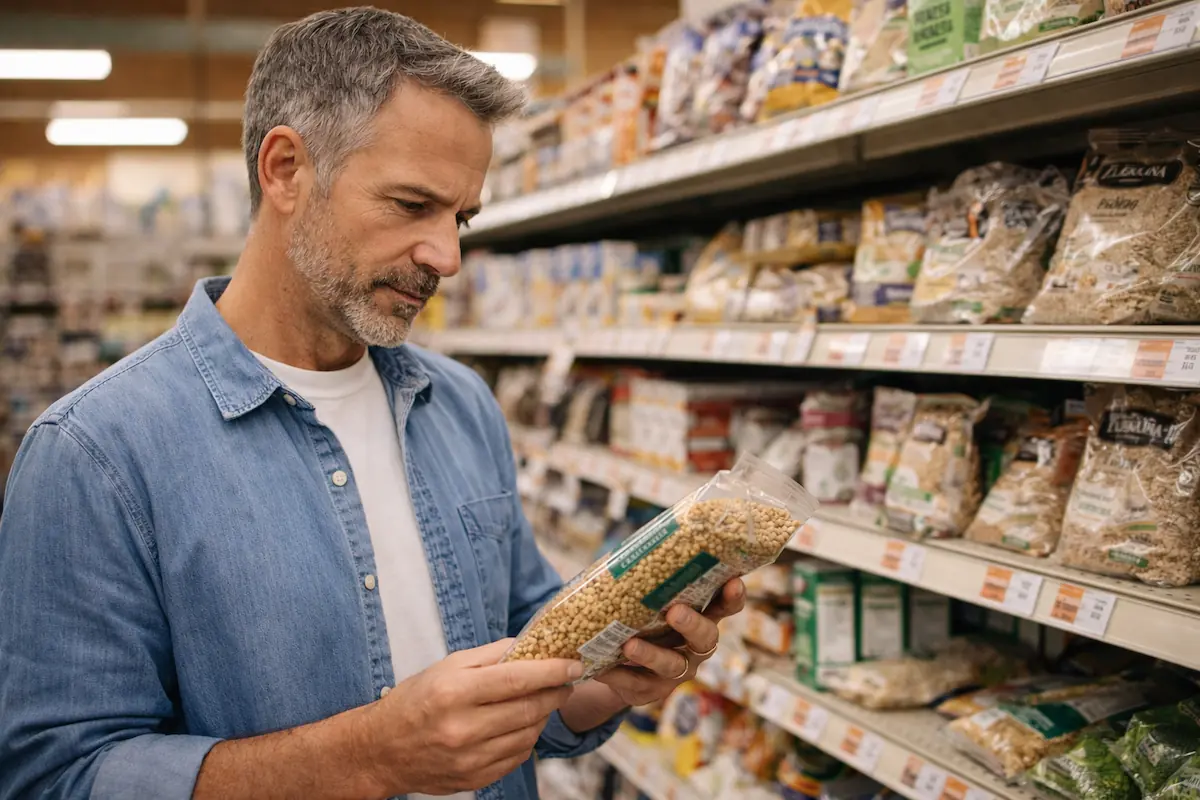
Quick Answer:The best low glycemic carbohydrates include lentils, chickpeas, steel-cut oats, quinoa, sweet potatoes, berries, barley, and apples. These foods digest slowly, helping prevent blood sugar spikes while supporting sustained energy and insulin sensitivity. If you’ve been told that controlling your blood sugar means giving up carbohydrates entirely, you’ve been given incomplete information. The truth…
Prediabetes Diet: The 5 Golden Rules to Reverse It Naturally

Quick Answer:A prediabetes diet focuses on stabilizing blood sugar by prioritizing fiber, protein, healthy fats, and low-glycemic carbohydrates while eliminating sugary drinks and refined carbs. When followed consistently, it can improve insulin sensitivity and may even help reverse prediabetes naturally. You’ve just learned that your blood sugar numbers are in the prediabetes range. Or maybe…
Prediabetes Symptoms: 9 Warning Signs Your Body Is Sending Right Now

Most people with prediabetes symptoms don’t know they have it. That’s not an exaggeration. According to the Centers for Disease Control and Prevention (CDC), more than 96 million American adults — nearly 1 in 3 — have prediabetes. And of those, more than 80% are completely unaware. Not because prediabetes is rare. But because its…
Blood Sugar When Fasting: The Normal Range Most People Don’t Know
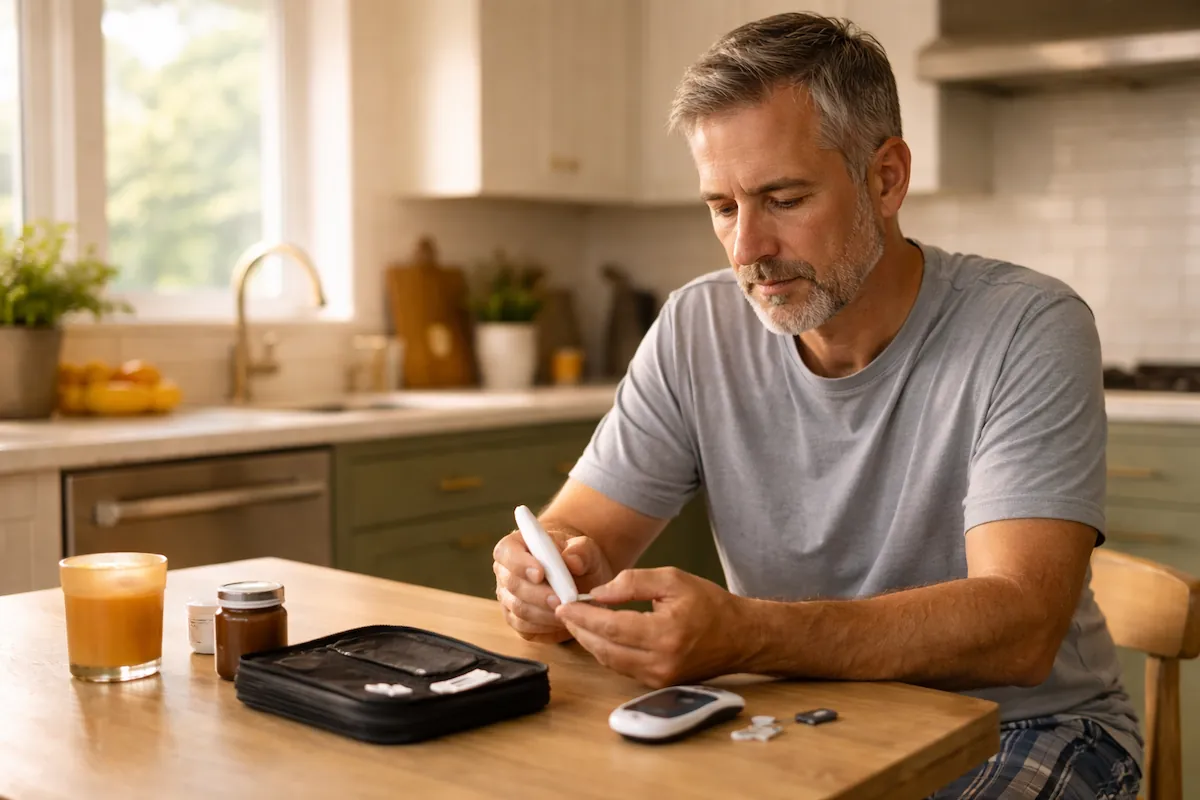
Quick Answer:Fasting blood sugar is the level of glucose in your blood after at least 8 hours without food. A normal range is under 100 mg/dL, but optimal metabolic health is typically associated with levels between 70 and 85 mg/dL. Higher values may indicate insulin resistance, prediabetes, or type 2 diabetes. There’s a number that…
Berberine for Insulin Resistance: Does It Really Work for Blood Sugar?

Quick Answer:Berberine can help improve insulin resistance by activating AMPK, a key metabolic pathway that increases glucose uptake, reduces liver glucose production, and enhances insulin sensitivity. Studies show it may significantly lower blood sugar levels when combined with diet and lifestyle changes. There’s a compound that’s been quietly making waves in metabolic health research for…
Exercises to Reduce Blood Sugar Levels: Your Complete Guide

Quick Answer:The best exercises to reduce blood sugar levels include walking, strength training, HIIT, cycling, and yoga. Walking after meals provides the fastest short-term effect, while strength training improves long-term insulin sensitivity. You already know that what you eat affects your blood sugar. But what most people don’t realize is that how you move can…