

At BioHealth Source, our editorial focus is on metabolic health — helping you better understand insulin resistance, balance hormones, and support your energy, naturally. Welcome.
Quick Answer:
If you’re wondering how to reverse insulin resistance, it can begin improving within 24–72 hours of dietary changes.
With consistent lifestyle interventions — including diet, exercise, sleep, and stress management — significant reversal is typically possible within 3 to 6 months.
What Is Insulin Resistance — and Why Does It Matter?
Insulin is a hormone produced by your pancreas. Its job is to act like a “key” that unlocks your cells so glucose (sugar from food) can enter and be used for energy.
If you’re wondering how long it takes to reverse insulin resistance, the science in 2026 is clearer than ever about what works. But can you actually reverse it? The short answer is yes.
While genetics play a role, your daily habits act as the ‘remote control’ for your insulin sensitivity. If you’ve been diagnosed with prediabetes, or recognize the early signs of insulin resistance, this guide will show you exactly what happens inside your body — and when.
When you develop insulin resistance, your cells stop responding to that key. Your pancreas compensates by producing more and more insulin — until it can no longer keep up. The result: chronically high blood sugar, weight gain, fatigue, and eventually, Type 2 diabetes.
The good news is that insulin resistance is not permanent. It is a functional condition, not a structural one — meaning your cells have not been destroyed. They have simply become less responsive. And that responsiveness can be restored.
Is It Really Possible: How to Reverse Insulin Resistance Naturally?
Yes — and this is one of the most well-supported findings in metabolic medicine. The landmark Diabetes Prevention Program (DPP) study found that lifestyle interventions reduced the risk of progressing from prediabetes to Type 2 diabetes by 58% — more than any medication tested.
More recent research published in 2025 confirms that even people with long-standing insulin resistance can achieve significant improvement in insulin sensitivity through targeted lifestyle changes.
The key factors are:
- Reducing refined carbohydrates and added sugar
- Increasing physical activity — especially resistance training and walking after meals
- Prioritizing sleep and managing chronic stress
- Losing even 5–7% of body weight if overweight
The Step-by-Step Timeline: How to Reverse Insulin Resistance Phase by Phase
This is what the research tells us about the timeline of insulin resistance reversal — phase by phase.
Phase 1: The First 24–72 Hours — The “Reset” Phase
Change starts faster than most people expect. Within just one to three days of reducing processed carbohydrates and adding a 15-minute walk after meals:
- Blood sugar stabilizes: Your pancreas no longer needs to flood your bloodstream with insulin to handle glucose spikes.
- Liver glycogen depletes: Your liver begins burning through its stored sugar (glycogen), preparing to shift into a more efficient fat-burning state.
- Insulin levels begin to drop: Lower circulating insulin is the first signal that your cells are getting a chance to reset their sensitivity.
You may not feel dramatic changes yet — but your biochemistry has already started to shift.

Phase 2: Week 1 to 2 — The Metabolic Switch
This phase is a key part of how to reverse insulin resistance, as the body begins to respond more efficiently to insulin.
This is where things start to feel noticeably different for most people. As insulin levels continue to drop, your cells begin responding better:
- Reduced brain fog: Your brain gets a steadier supply of fuel instead of riding blood sugar spikes and crashes. Mental clarity often improves noticeably in week one.
- Cravings fade: The “sugar roller coaster” slows down. Your hunger hormones — leptin and ghrelin — begin to rebalance, making it easier to go longer between meals.
- Less afternoon energy crashes: The 2–3 PM slump that many people with insulin resistance experience starts to improve as blood sugar becomes more stable after lunch.
- Decreased inflammation: Some people notice less puffiness in the face and joints, a reflection of lower systemic inflammation linked to high insulin levels.
This is also when consistent exercise starts to have a compounding effect — each session makes your muscle cells more receptive to insulin.
Phase 3: Month 1 to 3 — The Cellular Repair Window
Researchers call this the ‘Golden Window’ for how to reverse insulin resistance damage. At this stage:
- HbA1c improvement: Your 3-month average blood sugar (HbA1c) will likely show a measurable drop at your next lab test — often 0.3 to 0.8 percentage points.
- Muscle efficiency increases: Your muscle cells become “hungrier” for glucose. They pull sugar out of your blood more efficiently, with less insulin required.
- Fat cell behavior changes: Visceral fat (the dangerous fat stored around your organs) begins to shrink, which directly reduces insulin resistance.
- Weight loss amplifies results: Research shows that losing just 5–7% of body weight at this stage can improve insulin sensitivity by nearly 50%, accelerating your progress significantly.
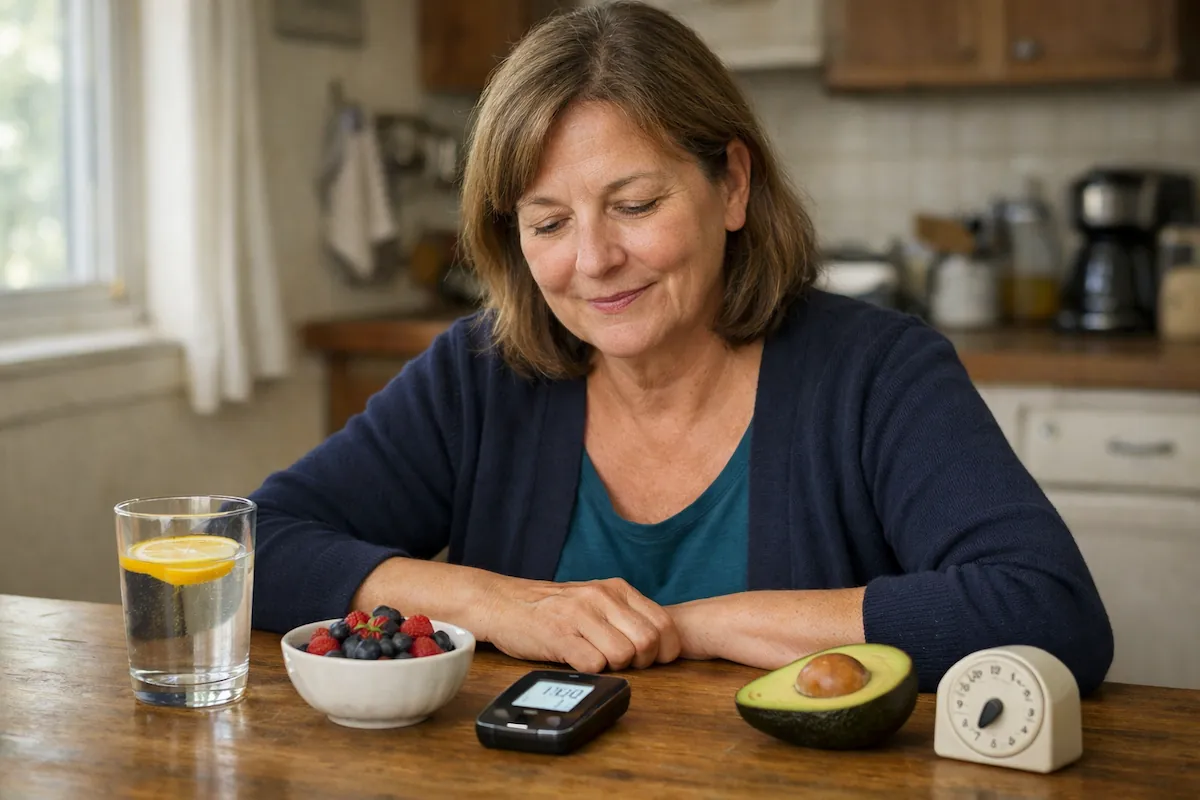
If you have been consistent with your food choices and movement, the changes at the 3-month mark are often enough to move from a prediabetes diagnosis back into the normal range.
Phase 4: 6 Months and Beyond — Maintaining a Healthy Metabolism
By six months, most people are maintaining a much healthier metabolic state. Your risk of progressing to Type 2 diabetes drops dramatically.
Key milestones at this stage:
- Fasting insulin levels normalize
- HOMA-IR score (a measure of insulin resistance) returns to healthy range
- Energy, mood, and sleep quality are consistently better
- Food relationships improve — eating intuitively becomes easier
This is also when some people choose to add targeted supplements to support their progress. At this stage, the changes are no longer subtle — they are measurable and sustainable.
Reversal Timeline at a Glance
| Timeframe | What Changes | What You Feel |
|---|---|---|
| 24–72 hours | Blood sugar stabilizes, liver glycogen depletes | Subtle — less post-meal heaviness |
| Week 1–2 | Insulin levels drop, hunger hormones rebalance | Less brain fog, fewer cravings, better energy |
| Month 1–3 | Cellular repair, HbA1c drops, muscle efficiency improves | Measurable lab improvements, weight loss |
| 6 months+ | Fasting insulin normalizes, HOMA-IR returns to healthy range | Consistent energy, stable mood, better sleep |
The 5 Pillars of How to Reverse Insulin Resistance
No single intervention reverses insulin resistance. The research consistently shows that a multi-pillar approach produces the fastest and most lasting results.
1. Diet: Reduce the Insulin Load
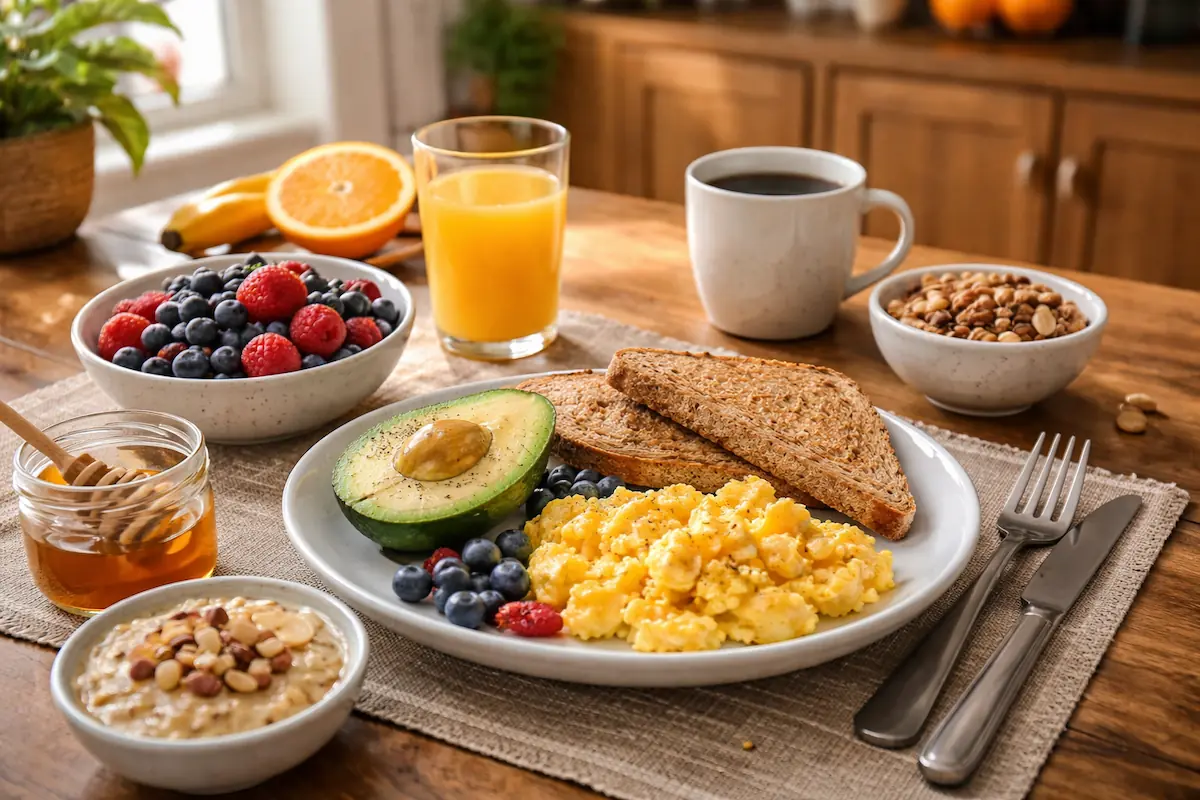
The most powerful dietary change is reducing foods that spike insulin the most — refined carbohydrates, added sugars, and ultra-processed foods. Focus on low-glycemic carbohydrates, quality protein, and healthy fats. Follow the prediabetes diet golden rules as a foundation.
2. Movement: Make Your Muscles Work for You
Muscle contractions pull glucose out of the bloodstream independently of insulin — this is one of the most powerful tools you have. Walking after meals is a powerful tool in how to reverse insulin resistance effectively, and resistance training is equally evidence-backed.
3. Sleep: The Overlooked Metabolic Reset
Research from the University of Chicago found that just one week of sleeping less than 6 hours per night can induce insulin resistance comparable to gaining 20–30 pounds of weight. Prioritizing 7–9 hours of quality sleep is non-negotiable for reversal.
4. Stress Management: Break the Cortisol-Insulin Loop
Chronic stress keeps cortisol elevated, which directly raises blood sugar and worsens insulin resistance. As explored in our post on how stress affects blood sugar, breaking this cycle is essential for lasting improvement.
5. Targeted Supplementation
Once lifestyle foundations are in place, certain supplements can accelerate the process. Berberine has the strongest evidence base — a 2025 review in ScienceDirect confirmed it significantly increases insulin sensitivity and supports gut microbiota health. Magnesium and inositol are also well-supported by current research.
5 Signs Your Insulin Resistance Is Improving
You do not always need a lab test to know things are changing. Watch for these signals:
- Less hunger between meals: You can comfortably go 4–5 hours without needing a snack
- Stable energy after meals: No more post-lunch energy crashes
- Reduced sugar cravings: Sweet foods become less appealing
- Better sleep quality: Fewer nighttime awakenings and more restful sleep
- Clearer thinking: Brain fog lifts, especially in the morning and after meals
Who Can Reverse Insulin Resistance?
Most people with insulin resistance or prediabetes can achieve meaningful reversal — especially if they have not yet developed Type 2 diabetes. The earlier you start, the faster and more complete the reversal.
Even people with Type 2 diabetes can achieve significant improvement in insulin sensitivity, reducing or eliminating the need for medication — though this should always be done under medical supervision.
The one exception is people with Type 1 diabetes, where the pancreas does not produce insulin at all. Lifestyle changes still benefit Type 1 diabetics, but the mechanism is different.
Frequently Asked Questions
How long does it take to reverse insulin resistance completely?
Most people see measurable improvement within 4–12 weeks of consistent lifestyle changes. Complete reversal — returning fasting insulin and HbA1c to normal ranges — typically takes 3 to 6 months, depending on severity and consistency.
Can you reverse insulin resistance without losing weight?
Yes. Exercise alone — particularly resistance training — can significantly improve insulin sensitivity even without weight loss. However, losing 5–7% of body weight if overweight accelerates results considerably.
How to reverse insulin resistance naturally?
Focusing on whole foods, regular movement, quality sleep, and stress management is the most effective natural approach.
How can you improve insulin sensitivity quickly?
The combination of reducing refined carbohydrates, walking 15 minutes after every meal, and sleeping 7–9 hours produces the fastest initial results. Adding resistance training two to three times per week compounds these benefits significantly.
Is insulin resistance reversal permanent?
It can be, but it requires maintaining the lifestyle changes that produced the improvement. If you return to previous habits, insulin resistance will return. Think of it as an ongoing practice, not a one-time fix.
Can insulin resistance be reversed with diet alone?
Diet is the most powerful single intervention, but the research consistently shows that combining diet with exercise produces faster and more lasting results than either alone.
Does intermittent fasting help reverse insulin resistance?
Yes. Periods without eating allow insulin levels to fall completely, giving your cells a “rest” from constant insulin signaling. Even a 12–16 hour overnight fast can contribute meaningfully to improved insulin sensitivity over time.
What foods should I eat to reverse insulin resistance?
Focus on foods that support insulin sensitivity: non-starchy vegetables, quality proteins, healthy fats, and low-glycemic carbohydrates like legumes, oats, and sweet potatoes. Avoid refined grains, sugary drinks, and ultra-processed foods.
The Bottom Line
Insulin resistance is not a permanent condition — it is a reversible one. The science is clear: with consistent changes to how you eat, move, sleep, and manage stress, your cells can regain their sensitivity to insulin.
The timeline is consistent. Within 24 hours, your blood sugar begins to stabilize. Within two weeks, your energy and mental clarity improve. Within three months, your lab numbers shift. Within six months, you can be living in a fundamentally different metabolic reality.
You do not need to change everything at once. Start with one meal, one walk, one earlier bedtime. Small, consistent actions compound into real metabolic transformation — and that transformation starts today.
If you were looking for how to reverse insulin resistance, the answer lies in consistent daily habits.
“Insulin resistance is not a life sentence — it is a signal. Your body is telling you something has shifted, and it is asking for your help to shift back. The research is clear: with the right inputs, your cells can learn to respond to insulin again. Every meal, every walk, every good night of sleep is a vote for a different metabolic future.”
— BioHealth Source Editorial Team
Sources & Scientific References
American Diabetes Association (ADA): Standards of Care in Diabetes — 2026. The most current global clinical guidelines defining the official thresholds for HbA1c and fasting glucose used to diagnose prediabetes and metabolic disorders.
Diabetes Prevention Program (DPP) Research Group: Reduction in the Incidence of Type 2 Diabetes. A landmark study proving that structured lifestyle interventions are more effective than medication for preventing the progression of prediabetes.
Sports Medicine Journal: The Acute Effects of Interrupting Prolonged Sitting. Peer-reviewed research confirming that light walking for just 2-5 minutes after meals significantly reduces glucose and insulin spikes.
Mayo Clinic: Prediabetes — Diagnosis and Treatment. A trusted clinical guide explaining the risk factors, diagnostic tests, and the primary symptoms of early metabolic dysfunction.
University of Chicago (PLOS Medicine): Sleep Curtailment and Metabolic Hormones. Essential research demonstrating how sleep deprivation disrupts hunger hormones (leptin/ghrelin) and directly impairs insulin sensitivity.
National Institute of Diabetes and Digestive and Kidney Diseases (NIDDK): Insulin Resistance and Prediabetes. A clear medical explanation of the biological mechanisms of insulin resistance and its role as a precursor to type 2 diabetes.
Medical Disclaimer: The information provided on BioHealth Source is for educational and informational purposes only and does not constitute medical advice. Always consult with a qualified healthcare professional before making significant changes to your diet, exercise routine, or if you have questions regarding a medical condition.
Affiliate Disclosure: This post may contain affiliate links. If you click on one of these links and make a purchase, we may receive a small commission at no extra cost to you. This helps support our research and content creation. We only recommend products we truly believe in.