
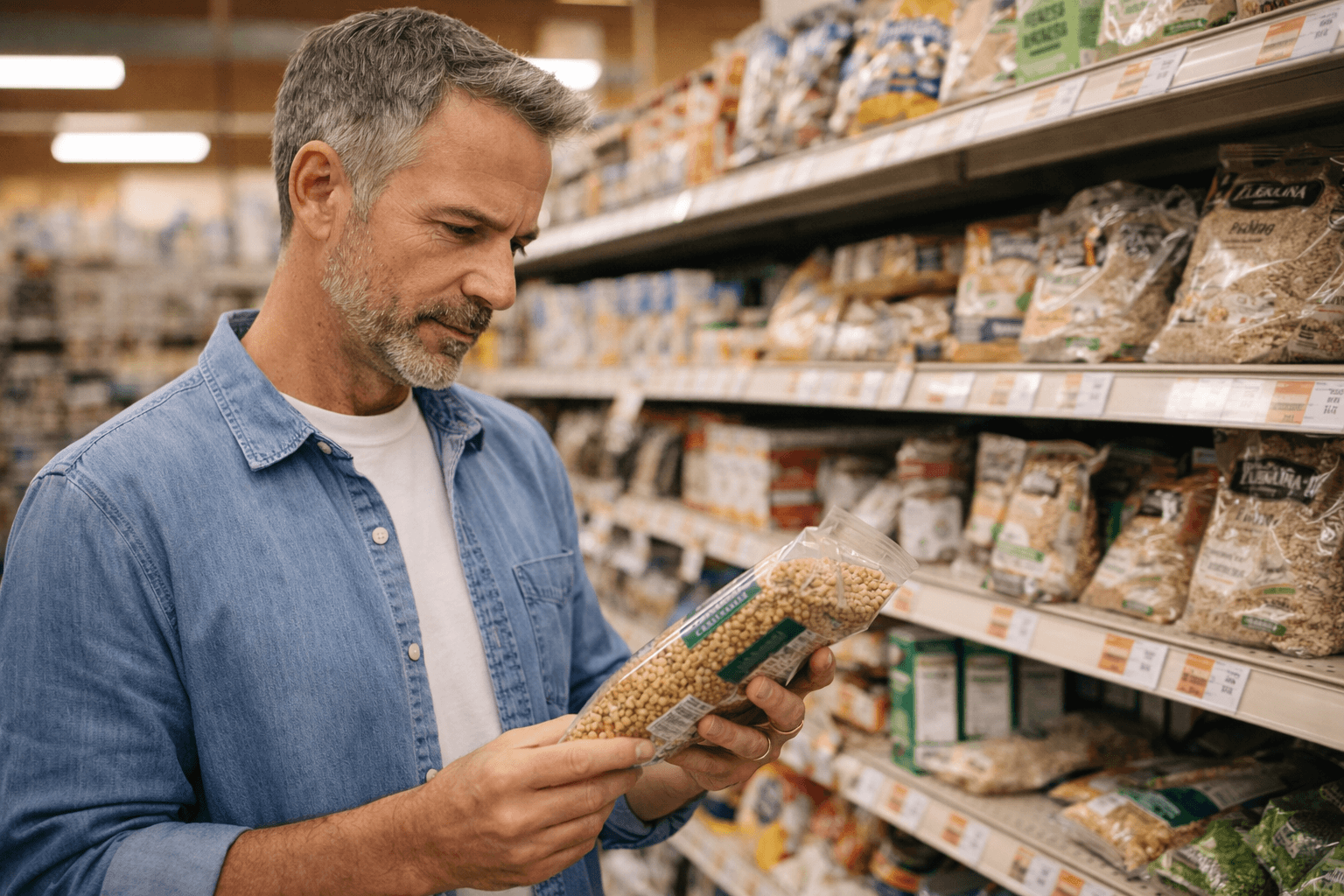

Hi, I'm Sarah Mitchell. I've spent years researching metabolic health to help women reclaim their energy and balance their hormones naturally. Welcome to BioHealth Source.
If you’ve been told that controlling your blood sugar means giving up carbohydrates entirely, you’ve been given incomplete information.
The truth — supported by decades of research — is that carbohydrates are not your enemy. The wrong carbohydrates are. And knowing the difference between the best low glycemic carbohydrates and the ones that spike your blood sugar is one of the most powerful things you can do for your metabolic health.
The best low glycemic carbohydrates don’t just avoid causing glucose spikes. They actively support insulin sensitivity, feed beneficial gut bacteria, and provide sustained, stable energy for hours — without the crash that follows high-glycemic foods.
In this guide, we’ll break down exactly what makes a carbohydrate “low-glycemic,” reveal the Top 10 best low glycemic carbohydrates you should be eating, and share some surprising strategies — including a temperature trick that can transform even ordinary carbohydrates into blood-sugar-friendly foods.
This is the third pillar of our metabolic health series. If you haven’t yet read our guides on the prediabetes diet and the best protein sources for blood sugar, start there first — the three guides work together as a complete system.
The Difference Nobody Tells You: Glycemic Index vs. Glycemic Load
Before diving into the best low glycemic carbohydrates, it’s essential to understand two terms that most people confuse — and why both matter for blood sugar control.
[H3] Glycemic Index — The Speed
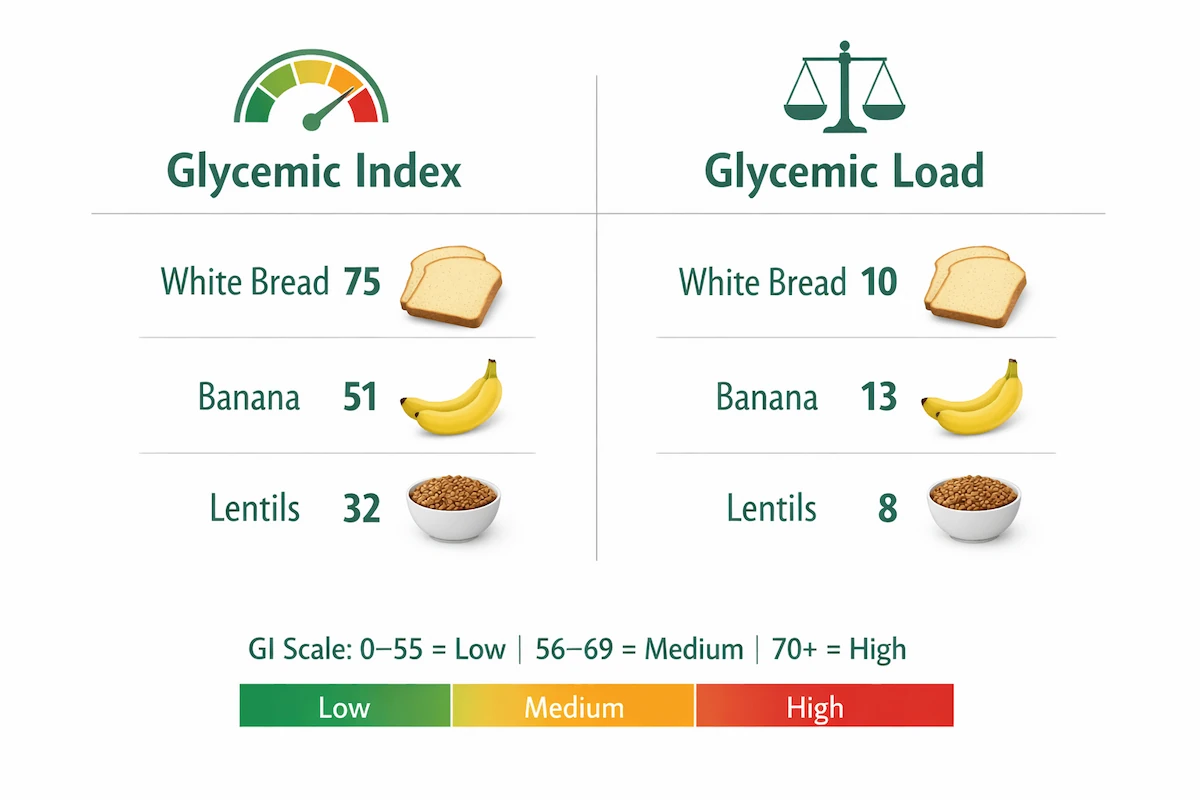
The Glycemic Index (GI) measures how quickly a carbohydrate raises your blood sugar compared to pure glucose. Foods are scored on a scale of 0 to 100:
- Low GI: 55 or below
- Medium GI: 56 to 69
- High GI: 70 or above
A food with a high GI — like white bread (GI 75) or instant oatmeal (GI 83) — causes a rapid, steep rise in blood sugar. A food with a low GI — like lentils (GI 32) or sweet potato (GI 44) — causes a slow, gradual rise that your insulin system can handle efficiently.
Glycemic Load — The Quantity
But GI alone doesn’t tell the whole story. That’s where Glycemic Load (GL) comes in.
Glycemic Load accounts for both the speed of glucose release and the amount of carbohydrate in a realistic serving. A food can have a high GI but a low GL if you eat it in small quantities — and vice versa.
A classic example: watermelon has a GI of 72 — technically high — but a GL of only 4 per standard serving, because a typical slice contains very little actual carbohydrate. In practice, watermelon produces a minimal blood sugar response.
Understanding both GI and GL is the key to making smarter carbohydrate choices — not just eliminating carbs, but choosing the best low glycemic carbohydrates strategically.
For a complete picture of how these numbers translate to real post-meal blood sugar responses, read our guide on blood sugar after eating.
Top 10 Best Low Glycemic Carbohydrates for Blood Sugar Control
These are the best low glycemic carbohydrates ranked by their combined GI, GL, fiber content, and overall metabolic benefit.
1. Lentils (GI: 32)
Lentils are arguably the single best low-glycemic carbohydrate available. One cup of cooked lentils provides 18 grams of protein, 16 grams of fiber, and a GI of just 32 — one of the lowest of any carbohydrate-containing food.
The fiber and protein in lentils work together to slow glucose absorption so effectively that they produce a post-meal blood sugar response comparable to eating no carbohydrates at all. They’re also rich in magnesium and folate — two nutrients strongly linked to insulin sensitivity.
2. Chickpeas (GI: 28)
Chickpeas have one of the lowest glycemic indexes of any legume — and any food, period. Half a cup provides 7 grams of protein and 6 grams of fiber with a GI of just 28.
Chickpeas are also one of the most versatile best low glycemic carbohydrates — they work in salads, soups, roasted as a snack, or blended into hummus. Research published in the Journal of Nutrition found that regular legume consumption significantly improves fasting blood sugar and insulin sensitivity over time.
3. Steel-Cut Oats (GI: 55)
Not all oats are created equal. Instant oatmeal has a GI of 83 — nearly as high as white bread. Steel-cut oats, however, have a GI of just 55 — and a much lower glycemic load per serving.
The difference comes down to processing. Steel-cut oats are minimally processed whole oat groats, sliced into pieces. The intact fiber structure slows digestion dramatically. Instant oats have been rolled, steamed, and pre-cooked — breaking down the fiber structure and accelerating glucose release.
Steel-cut oats are one of the best low glycemic carbohydrates for breakfast — especially when topped with nuts, seeds, or berries to further reduce the glucose response.
4. Quinoa (GI: 53)
Quinoa is one of the most nutritionally complete of all the best low glycemic carbohydrates. Unlike most grains, quinoa is a complete protein — containing all nine essential amino acids. It also provides 5 grams of fiber per cup and has a GI of 53.
Quinoa is particularly valuable as a rice substitute. Swapping white rice (GI 72) for quinoa in a meal produces a dramatically lower post-meal blood sugar response — while adding protein and fiber that white rice completely lacks.
5. Sweet Potato (GI: 44)
Sweet potato is one of the most misunderstood of the best low glycemic carbohydrates. Many people avoid it because it’s a starchy vegetable — but with a GI of just 44 and a rich fiber content, sweet potato produces a far more controlled blood sugar response than white potato (GI 78).
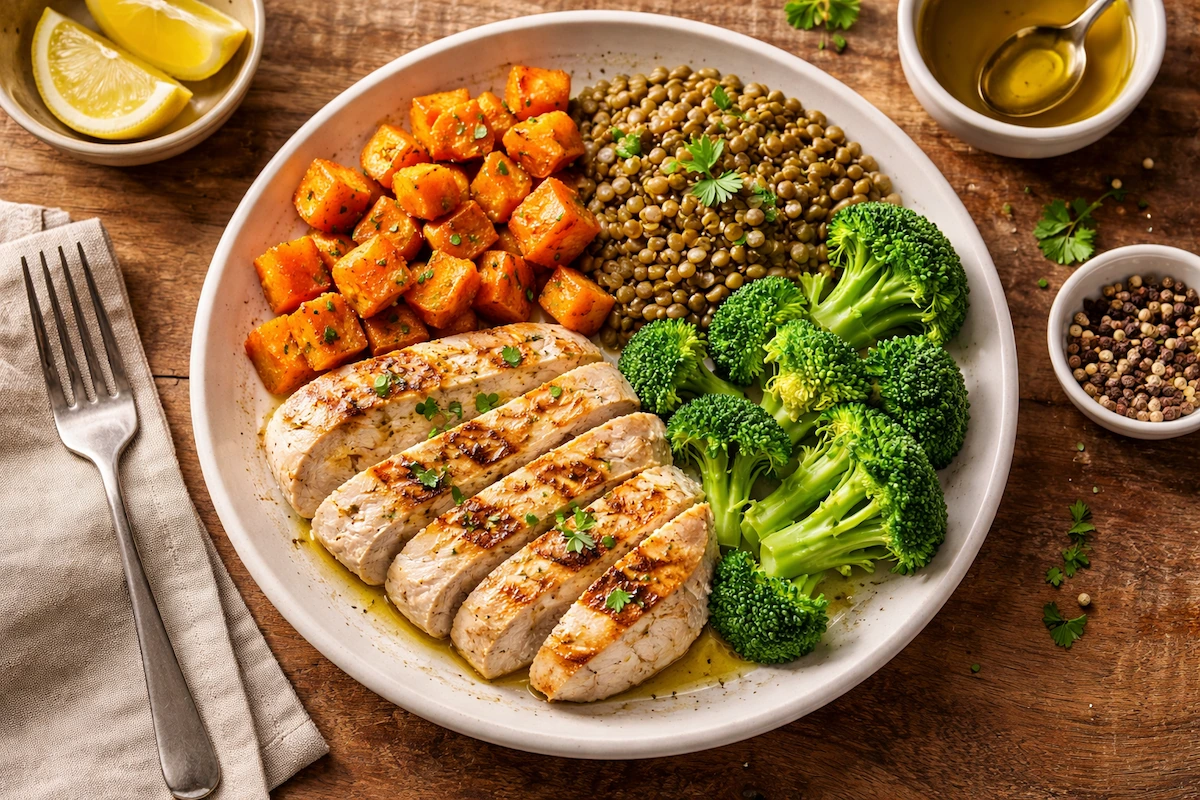
Sweet potato is also rich in beta-carotene, potassium, and vitamin B6 — nutrients that support metabolic health. The key is preparation: boiled sweet potato has a lower GI than baked, and eating it with protein and healthy fats reduces the glucose response further.
6. Berries (GI: 25–40)
Berries — blueberries, strawberries, raspberries, and blackberries — are among the best low glycemic carbohydrates in the fruit category. With GIs ranging from 25 to 40 and exceptional fiber and antioxidant content, berries produce minimal blood sugar spikes while delivering powerful metabolic benefits.
The anthocyanins in berries — the pigments that give them their deep colors — have been shown in multiple studies to improve insulin sensitivity and reduce inflammation. A half cup of blueberries has a glycemic load of just 5, making them one of the safest fruit choices for blood sugar management.
7. Barley (GI: 28)
Barley is one of the most underrated best low glycemic carbohydrates in the American diet. With a GI of just 28 — lower than any other grain — and extraordinarily high beta-glucan fiber content, barley produces one of the flattest post-meal glucose curves of any grain.
Beta-glucan is a soluble fiber that forms a thick gel in the digestive tract, dramatically slowing glucose absorption. The same fiber found in oats — but in even higher concentrations in barley. Pearl barley works well in soups, stews, and grain bowls as a rice substitute.
8. Black Beans (GI: 30)
Black beans combine protein, fiber, and a low GI of 30 — making them one of the most powerful best low glycemic carbohydrates for blood sugar control. Half a cup provides 8 grams of protein and 8 grams of fiber.
Like all legumes, black beans also contain resistant starch — a type of carbohydrate that passes through the small intestine undigested, feeding beneficial gut bacteria rather than spiking blood sugar. A healthy gut microbiome is increasingly linked to improved insulin sensitivity and lower fasting glucose.
9. Sourdough Bread (GI: 54)
Of all the best low glycemic carbohydrates in the bread category, sourdough stands apart. The fermentation process used to make sourdough produces lactic acid, which slows starch digestion and significantly lowers the glycemic index compared to regular white bread (GI 75) or even whole wheat bread (GI 69).
Real sourdough — made with a live culture starter and long fermentation — has a GI of approximately 54. It also contains more bioavailable nutrients than commercial bread due to the fermentation process breaking down phytic acid.
Important: most commercial “sourdough” breads use vinegar to mimic the sour flavor without the fermentation process. Look for sourdough made with a live starter for the genuine metabolic benefit.
10. Apples (GI: 36)
Apples are one of the most convenient and widely available best low glycemic carbohydrates. A medium apple has a GI of 36 and a glycemic load of just 6 — kept low by the high pectin fiber content in the skin.
Pectin is a soluble fiber that slows gastric emptying and glucose absorption — the same mechanism as the anchor effect we discussed in our protein guide. Eating the apple with the skin on maximizes the fiber benefit. Avoid apple juice entirely — the fiber is removed, and the glycemic index jumps to 44 with a much higher glycemic load.
The Temperature Trick: How to Turn Ordinary Carbs Into Blood-Sugar-Friendly Foods
This is one of the most surprising — and most underutilized — strategies for anyone looking to enjoy the best low glycemic carbohydrates without giving up their favorite foods.
The Science of Resistant Starch
When you cook and then cool certain carbohydrates — rice, potatoes, pasta — a remarkable transformation happens. As these foods cool, some of their digestible starch molecules reorganize into a different structure called resistant starch.
Resistant starch behaves more like fiber than carbohydrate. It passes through your small intestine largely undigested — which means it doesn’t raise blood sugar. Instead, it feeds beneficial bacteria in your large intestine, supporting a healthy gut microbiome that is increasingly linked to better insulin sensitivity.
The result: cooked-and-cooled rice has a significantly lower glycemic index than freshly cooked rice. The same applies to potatoes, pasta, and even oats.
How to Use the Temperature Trick
Cook your rice, potatoes, or pasta as normal, then refrigerate overnight. The resistant starch content increases significantly within 12 to 24 hours of cooling.
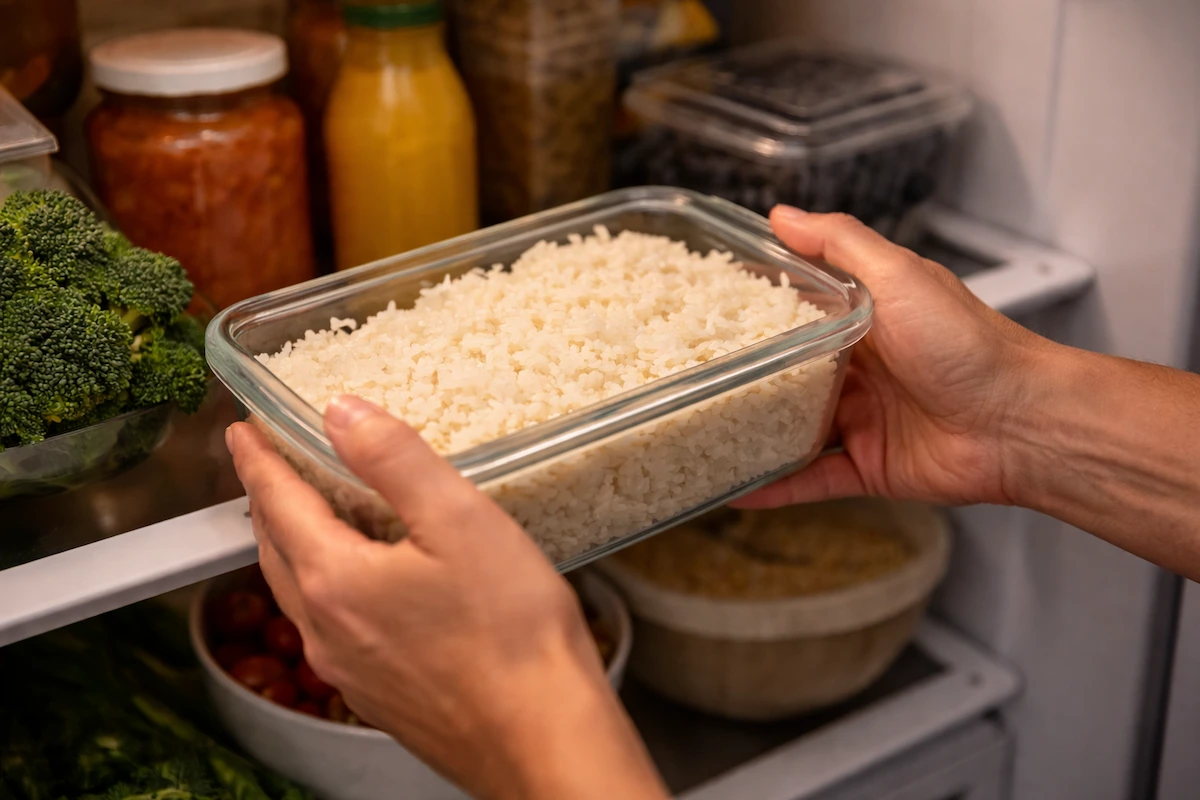
You can reheat the food the next day — reheating does reduce some of the resistant starch, but research shows a meaningful portion remains even after reheating. Eating rice or potatoes cold — in a salad, for example — maximizes the resistant starch benefit.
This simple strategy can meaningfully reduce the blood sugar impact of foods that would otherwise cause significant spikes — making them closer in behavior to the best low glycemic carbohydrates.
The Order Rule: Carbohydrates Always Come Last
No discussion of the best low glycemic carbohydrates would be complete without revisiting the most important serving strategy in metabolic health — the fiber-first, carbohydrates-last rule.
Research shows that eating non-starchy vegetables first, followed by protein, then carbohydrates last, reduces post-meal blood sugar spikes by up to 73% — even when the carbohydrates themselves are identical. The best low glycemic carbohydrates combined with the correct eating order produce an exceptionally flat glucose curve.
This is the foundation of the fiber-first approach we outlined in detail in our prediabetes diet guide. For a full breakdown of post-meal glucose responses by food order, read our guide on blood sugar after eating.
Carbohydrates to Avoid or Minimize
Understanding the best low glycemic carbohydrates means equally understanding which carbohydrates work against blood sugar control.
High-Glycemic Carbohydrates to Limit
- White bread and white flour products (GI 75+): Rapidly digested, causing steep glucose spikes with no fiber to slow absorption
- White rice (GI 72): One of the most common blood sugar spike triggers in the American diet — replace with quinoa, barley, or cooled-and-reheated rice
- Instant oatmeal (GI 83): Heavily processed — switch to steel-cut oats
- Most breakfast cereals (GI 70–90): Even “healthy” cereals often have GIs comparable to candy
- Sugary drinks and fruit juice: No fiber, no protein, no fat — pure glucose delivery with no metabolic buffer
- Crackers, pretzels, and most packaged snacks: Made from refined flour with minimal fiber
For the complete picture of which foods to avoid for insulin resistance, read our guide on the best foods for insulin resistance.
Building Your Plate With the Best Low Glycemic Carbohydrates
The practical application is straightforward. At every meal:
- Fill half your plate with non-starchy vegetables — eaten first
- Add a quality protein source — eggs, chicken, fish, Greek yogurt, legumes — eaten second
- Finish with a small portion of the best low glycemic carbohydrates — lentils, quinoa, sweet potato, berries, steel-cut oats — eaten last
- Add healthy fat — olive oil, avocado, nuts — to further slow glucose absorption
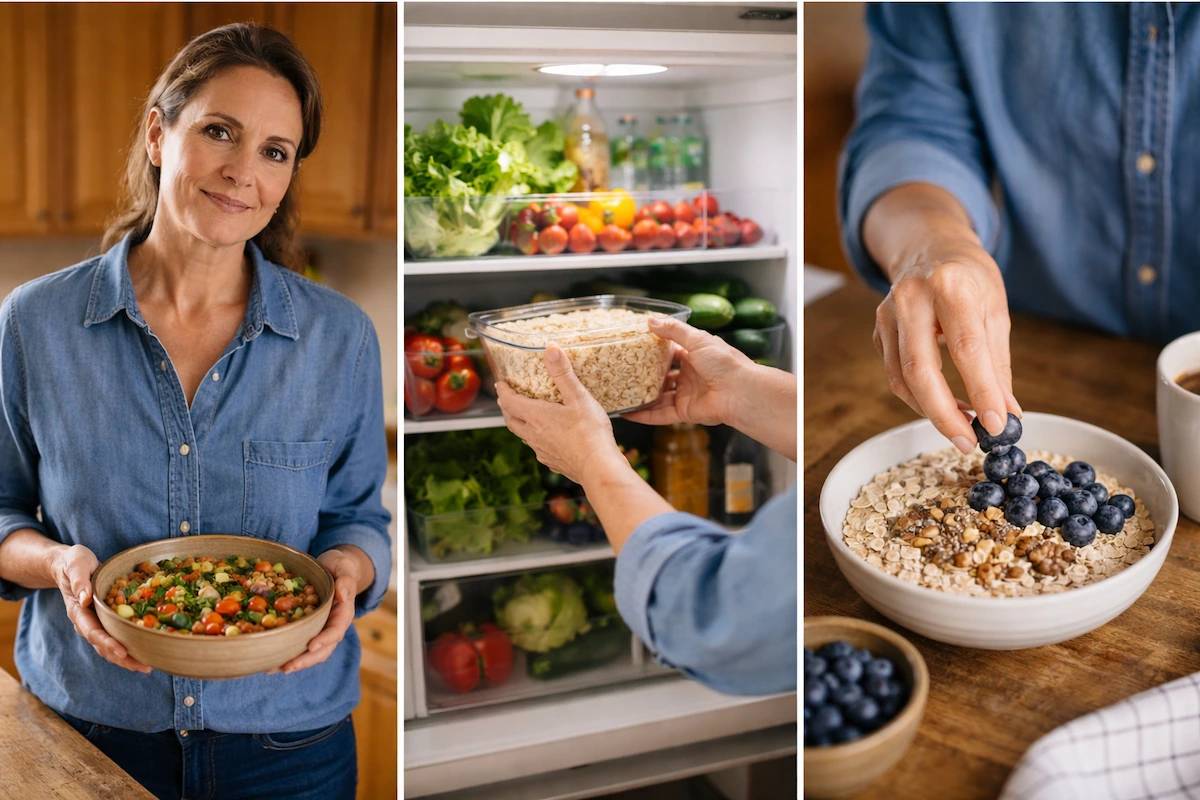
This plate structure, combined with choosing the best low glycemic carbohydrates, is the most evidence-backed approach to eating carbohydrates without spiking blood sugar.
Glycemic Index Comparison Table
| Food | Glycemic Index (GI) | Category |
|---|---|---|
| Chickpeas | 28 | ✅ Low |
| Barley | 28 | ✅ Low |
| Black Beans | 30 | ✅ Low |
| Lentils | 32 | ✅ Low |
| Apples | 36 | ✅ Low |
| Sweet Potato | 44 | ✅ Low |
| Steel-Cut Oats | 55 | ✅ Low |
| Quinoa | 53 | ✅ Low |
| Brown Rice | 68 | ⚠️ Medium |
| White Rice | 72 | ❌ High |
| White Bread | 75 | ❌ High |
| Instant Oatmeal | 83 | ❌ High |
FAQ: The Best Low Glycemic Carbohydrates
Are all low-glycemic carbohydrates healthy?
Generally yes — but GI is only one factor. A food can have a low GI but still be high in calories, saturated fat, or processed ingredients. The best low glycemic carbohydrates are whole, minimally processed foods rich in fiber and nutrients — not just any food with a low GI score.
Can I eat rice on a low-glycemic diet?
Yes — with strategy. Use the temperature trick to increase resistant starch, choose basmati rice over regular white rice (lower GI), keep portions small, and always eat rice at the end of your meal after vegetables and protein. Brown rice has a lower GI than white, but the difference is smaller than most people think — the temperature trick and eating order matter more.
Is fruit okay for blood sugar?
Whole fruit is generally fine in moderation — the fiber slows glucose absorption significantly. The best low glycemic carbohydrates in the fruit category are berries, apples, cherries, and pears. Avoid fruit juice, which removes the fiber and causes rapid glucose spikes comparable to soda.
How quickly do low-glycemic carbohydrates improve blood sugar?
Many people notice improvements in post-meal energy and reduced cravings within 1 to 2 weeks of consistently choosing the best low glycemic carbohydrates. Measurable improvements in fasting blood sugar typically appear within 2 to 4 weeks of consistent dietary changes.
What is the lowest glycemic carbohydrate?
Among the best low glycemic carbohydrates, chickpeas (GI 28) and barley (GI 28) are among the lowest. Lentils (GI 32) and black beans (GI 30) are close behind. All legumes consistently rank among the lowest-GI carbohydrate foods available.
Do I need to count glycemic index for every food?
No — and trying to do so becomes overwhelming and unsustainable. Instead, learn the general categories: legumes, most vegetables, berries, and minimally processed whole grains are almost always low-glycemic. Refined flour products, sugary drinks, and processed snacks are almost always high-glycemic. Knowing these categories is enough for practical daily application.
The Bottom Line
The best low glycemic carbohydrates are not a compromise — they’re an upgrade. They deliver the energy, fiber, and nutrients your body needs, without the blood sugar spikes that drive insulin resistance, cravings, and fatigue.
You don’t need to eliminate carbohydrates. You need to choose the right ones, eat them in the right order, and use strategies like the temperature trick to maximize their metabolic benefit.
Start this week: swap white rice for quinoa at one meal. Add lentils to a soup or salad. Replace instant oatmeal with steel-cut oats. These small, consistent changes compound into real metabolic transformation — and your blood sugar numbers will show it.
Together with the fiber-first approach from our prediabetes diet guide and the protein anchor strategy from our best protein sources guide, choosing the right carbohydrates completes the three-pillar system for lasting blood sugar control.
“One of the biggest mistakes I see people make when they’re trying to control their blood sugar is going to zero carbs. It’s not sustainable, it’s not necessary, and it’s not what the science actually supports. What the science supports is choosing smarter carbohydrates — the ones that work with your metabolism, not against it. Lentils, berries, steel-cut oats, sweet potato — these aren’t ‘cheat’ foods. They’re medicine. And the temperature trick? That’s one of my favorite pieces of metabolic knowledge to share, because it makes real food feel like a biohack.”
— Sarah Mitchell
Sources & Scientific References
Diabetes UK: Glycaemic Index and Diabetes — A practical guide on how the glycemic index works and how to use it to manage blood sugar levels through better carbohydrate choices.
Harvard T.H. Chan School of Public Health: Glycemic Index and Glycemic Load — A comprehensive database and guide on how various foods rank and their long-term impact on type 2 diabetes risk.
The Journal of Nutrition: Academic Research on Dietary Patterns and Glycemic Control — The official peer-reviewed publication of the American Society for Nutrition, providing clinical evidence on how whole foods and legumes influence metabolic health.
National Institute of Diabetes and Digestive and Kidney Diseases (NIDDK): Insulin Resistance & Prediabetes — Official NIH resource explaining how cells respond to insulin and the role of dietary carbohydrates in managing blood glucose.
Endocrine Society: Insulin Resistance and PCOS — Specialist guidelines on the hormonal link between insulin levels and polycystic ovary syndrome.
Medical Disclaimer: The information provided on BioHealth Source is for educational and informational purposes only and does not constitute medical advice. Always consult with a qualified healthcare professional before making significant changes to your diet, exercise routine, or if you have questions regarding a medical condition.
Affiliate Disclosure: This post may contain affiliate links. If you click on one of these links and make a purchase, we may receive a small commission at no extra cost to you. This helps support our research and content creation. We only recommend products we truly believe in.