


Hi, I'm Sarah Mitchell. I've spent years researching metabolic health to help women reclaim their energy and balance their hormones naturally. Welcome to BioHealth Source.
When it comes to insulin resistance, the foods you eat every day can either improve your blood sugar control or make the problem worse.
But when it comes to insulin resistance, most people are confused about exactly which foods help — and which ones silently make things worse.
The good news? You don’t need a complicated diet to start improving your insulin resistance. You just need to know which foods for insulin resistance are working for you.
In this guide, we’ll break down the best foods for insulin resistance, the worst offenders to avoid, and simple swaps you can make starting today.
What Does Food Have to Do With Insulin Resistance?
Every time you eat, your body releases insulin to move glucose from your bloodstream into your cells. When you consistently eat foods that cause large blood sugar spikes, your cells gradually stop responding to insulin — this is insulin resistance.
The right diet for insulin resistance doesn’t just reduce blood sugar spikes. It actively helps your cells become more sensitive to insulin again, making it easier to lose weight, maintain energy, and reduce your risk of type 2 diabetes.
According to the CDC, over 96 million American adults have prediabetes — and dietary choices are one of the biggest drivers. If you haven’t already, check out our guide on the signs of insulin resistance to understand if your body is already sending warning signals.
The Best Foods for Insulin Resistance
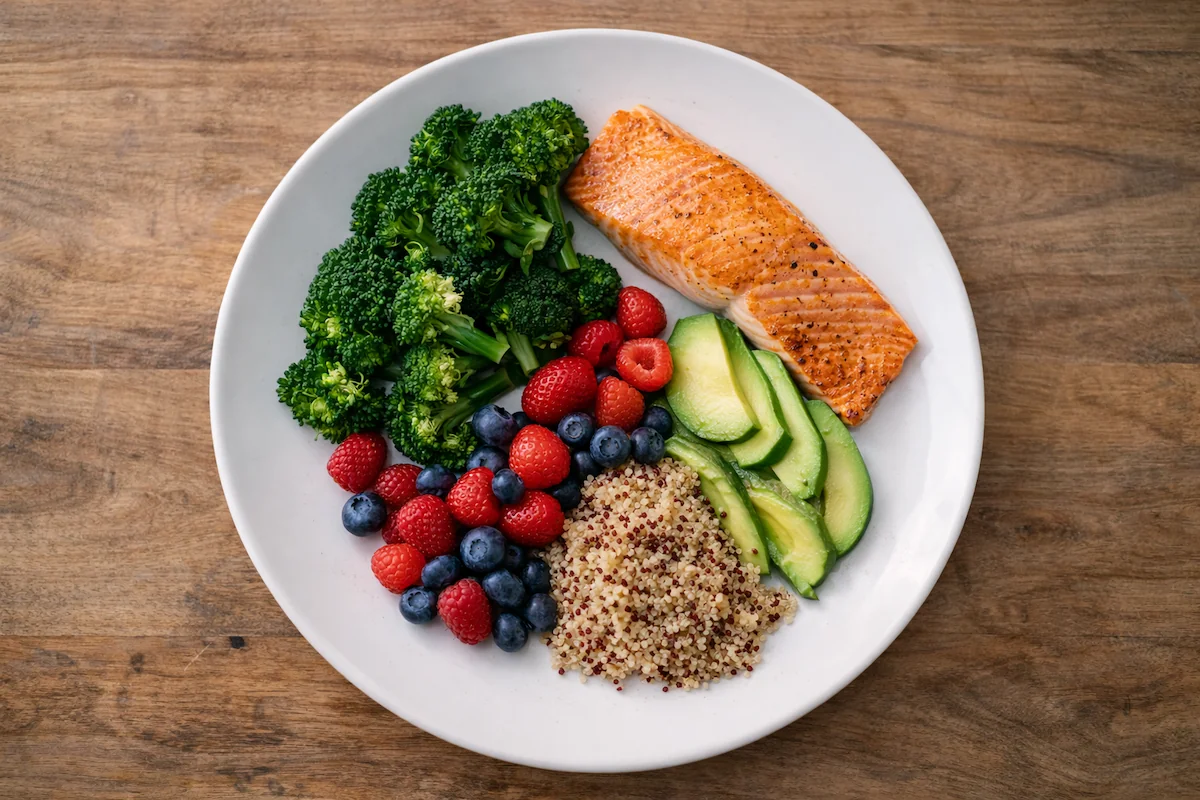
1. 🥦 Non-Starchy Vegetables
Non-starchy vegetables are the foundation of any insulin resistance diet. They are packed with fiber, vitamins, and minerals — and they have almost no impact on blood sugar.
Best choices:
- Broccoli, cauliflower, Brussels sprouts
- Spinach, kale, arugula
- Zucchini, cucumber, bell peppers
- Asparagus, green beans
Why it works: The fiber in vegetables slows glucose absorption dramatically, flattening your blood sugar curve after meals.
2. 🐟 Fatty Fish and Lean Protein
Protein is one of the most powerful tools in a diet for insulin resistance. For a complete breakdown of each protein source and how they affect blood sugar, read our guide on the best protein sources for blood sugar. It slows digestion, reduces post-meal glucose spikes, and keeps you full for hours.
Best choices:
- Salmon, sardines, mackerel (rich in omega-3s)
- Chicken breast and turkey
- Eggs
- Greek yogurt (plain, unsweetened, full-fat — avoid low-fat versions which often contain added sugar)
Why it works: Protein triggers very little insulin response compared to carbohydrates, and omega-3 fatty acids in fatty fish actively reduce inflammation linked to insulin resistance.
3. 🥑 Healthy Fats
Not all fats are created equal. Healthy fats slow digestion and help stabilize blood sugar — making them essential foods for insulin resistance.
Best choices:
- Avocado and avocado oil
- Extra virgin olive oil
- Nuts — almonds, walnuts, macadamia
- Seeds — chia seeds, flaxseeds
Why it works: Healthy fats don’t spike blood sugar at all. They also help reduce chronic inflammation, which is a key driver of insulin resistance.
4. 🫐 Low-Glycemic Fruits
Fruit often gets a bad reputation when it comes to blood sugar, but whole fruits with fiber are very different from fruit juice or processed sugars.
Best choices:
- Berries — blueberries, strawberries, raspberries
- Cherries and apples
- Pears and peaches
- Citrus fruits
Why it works: These fruits are high in fiber and antioxidants, which slow glucose absorption and reduce oxidative stress linked to insulin resistance symptoms.
Avoid: Fruit juice, dried fruit, and tropical fruits like mango and pineapple in large amounts — these cause rapid blood sugar spikes.
5. 🌾 High-Fiber Whole Grains (In Moderation)
Not all carbohydrates are bad. The key is choosing slow-digesting, high-fiber carbs that don’t cause sharp glucose spikes.
Best choices:
- Oats (steel-cut or rolled, not instant)
- Quinoa
- Brown rice (in small portions)
- Whole grain bread (sourdough is best — the fermentation process lowers its glycemic index)
Why it works: The fiber in whole grains slows glucose absorption significantly compared to refined carbs — an important distinction in any insulin resistance diet. For a complete glycemic index comparison of the best low-glycemic carbohydrates, read our dedicated guide on best low-glycemic carbohydrates.
6. 🫘 Legumes and Beans
Legumes are one of the most underrated foods for insulin resistance. They are rich in both protein and fiber — a powerful combination for blood sugar control.
Best choices:
- Lentils
- Black beans, chickpeas, kidney beans
- Edamame
Why it works: Legumes have a very low glycemic index and have been shown in multiple studies to improve insulin resistance and reduce fasting blood sugar levels.
Now that you know the best foods for insulin resistance, it’s just as important to know what to avoid.
The Worst Foods for Insulin Resistance
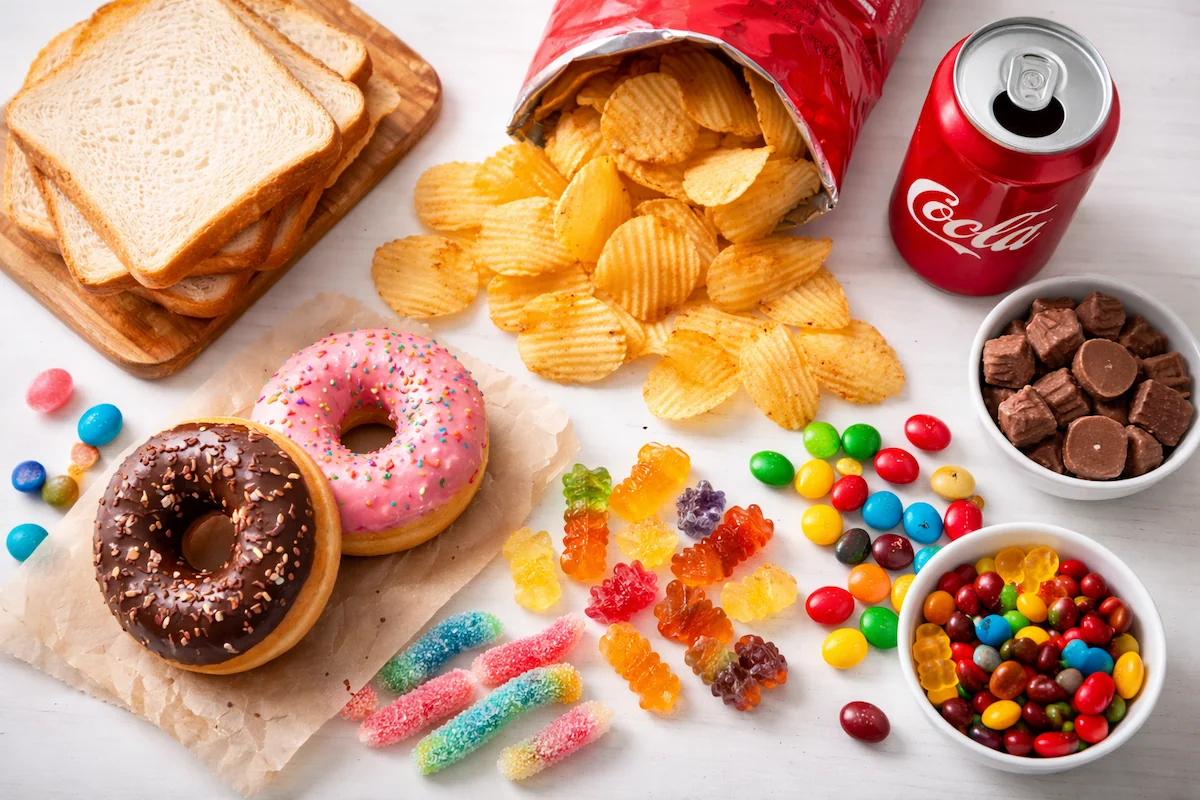
1. 🍞 Refined Carbohydrates and White Flour
White bread, white pasta, white rice, pastries, and crackers are rapidly digested and cause sharp blood sugar spikes — the number one dietary driver of insulin resistance.
2. 🥤 Sugary Drinks
Sodas, fruit juices, energy drinks, and sweetened coffees flood your bloodstream with glucose almost instantly. These are the worst insulin resistance foods you can consume — liquid sugar has zero fiber to slow it down.
3. 🍟 Ultra-Processed Foods
Packaged snacks, fast food, frozen meals, and processed meats are loaded with refined carbs, unhealthy fats, and hidden sugars. Regular consumption is strongly linked to worsening insulin resistance symptoms.
4. 🍺 Alcohol
Alcohol disrupts liver function and interferes with glucose regulation. Regular alcohol consumption makes it significantly harder to reverse insulin resistance, even with a good diet.
5. 🌽 High-Glycemic Foods
Corn syrup, white potatoes, instant oatmeal, and most breakfast cereals cause rapid glucose spikes. These foods work directly against any diet for insulin resistance.
Simple Food Swaps for Insulin Resistance
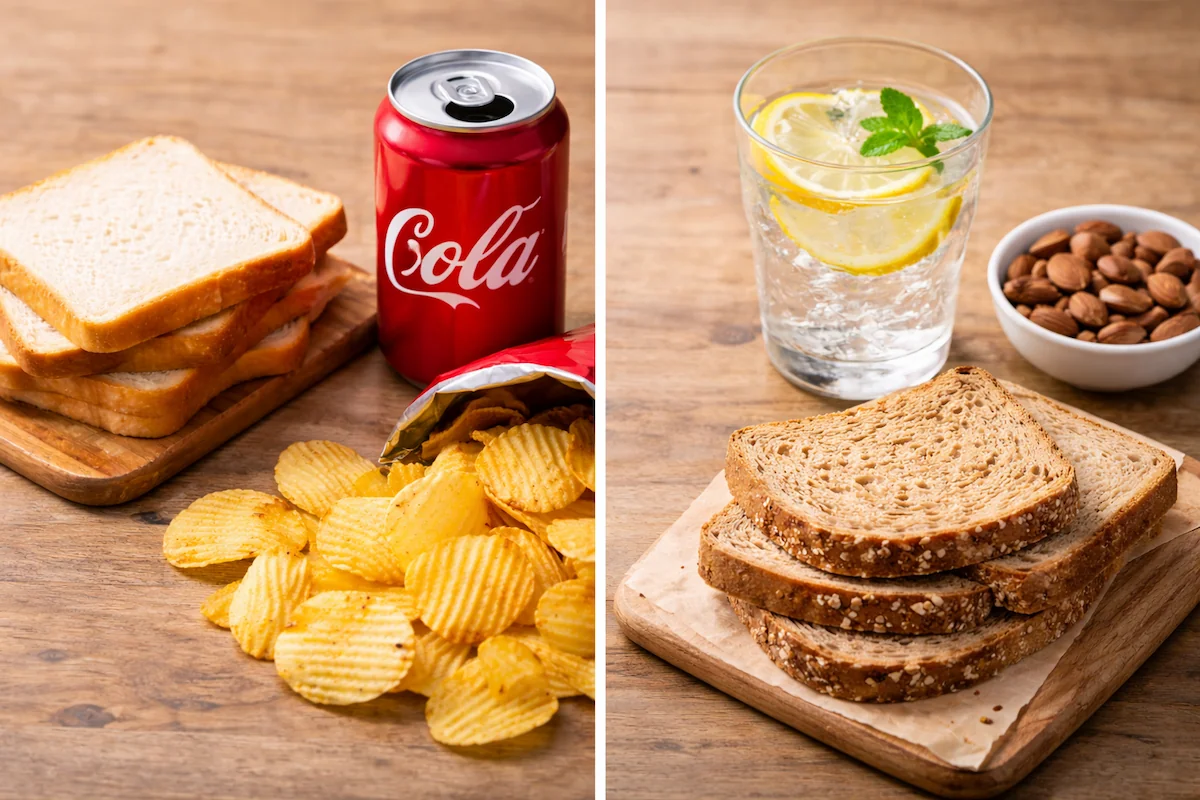
You don’t need to overhaul your entire diet overnight. Start with these easy swaps:
| Instead of | Choose |
|---|---|
| White bread | Sourdough or whole grain bread |
| Fruit juice | Whole fruit or infused water |
| White rice | Quinoa or cauliflower rice |
| Sugary cereal | Steel-cut oats with berries |
| Potato chips | A handful of almonds |
| Soda | Sparkling water with lemon |
| Sweetened yogurt | Plain full-fat Greek yogurt |
How to Build a Plate for Insulin Resistance
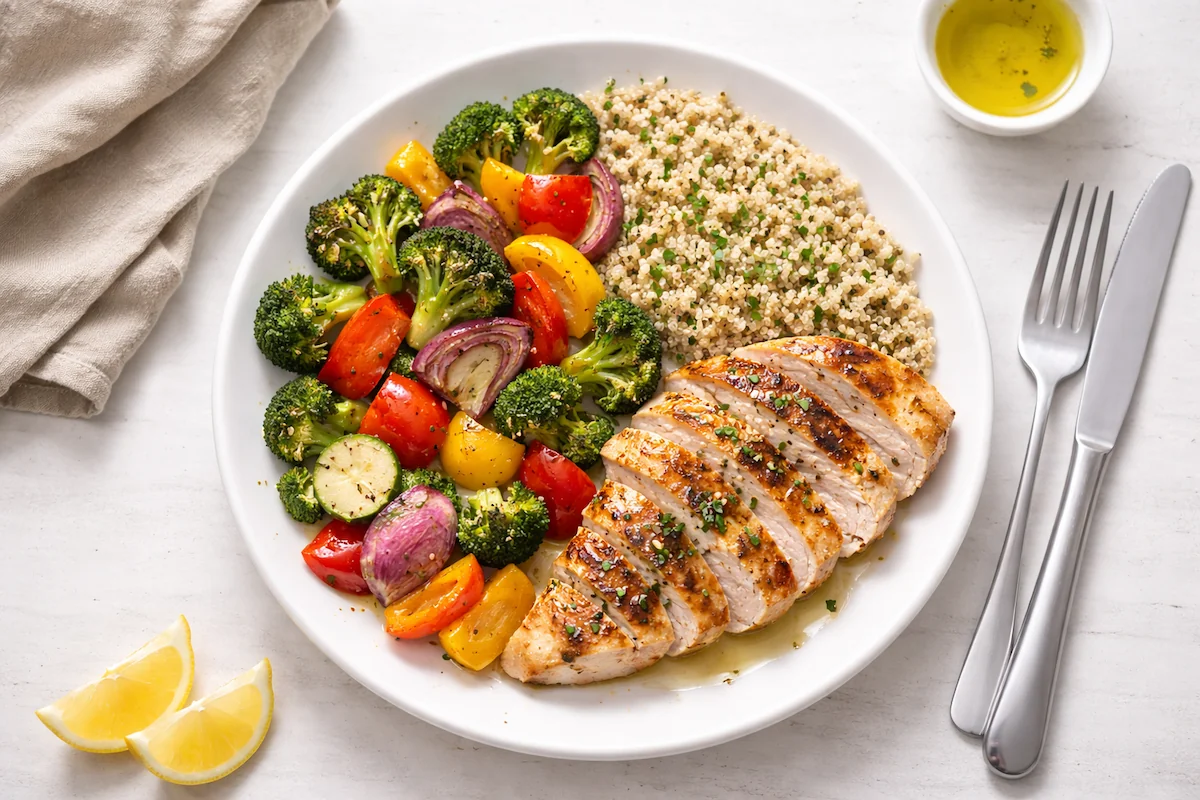
The easiest way to structure your meals is to follow the fiber-first rule — a simple method proven to flatten blood sugar curves:
The Fiber-First Plate:
- ½ plate — Non-starchy vegetables (eaten first!)
- ¼ plate — Lean protein or fatty fish
- ¼ plate — Whole grains or legumes (eaten last)
- Add — A drizzle of olive oil or a few slices of avocado
This plate method is one of the most effective strategies in any diet for insulin resistance — and it works without counting calories. For a deeper dive into this method, read our guide on how to lower blood sugar naturally.
Who Is Most at Risk From Poor Food Choices?
Certain people need to be especially careful about their insulin resistance foods choices:
- People over 40
- Women with PCOS — insulin resistance with PCOS is strongly driven by diet
- People with a family history of type 2 diabetes
- Anyone with excess belly fat
- People who are sedentary
If you’re a woman and want to understand how insulin resistance affects you specifically, read our guide on insulin resistance symptoms in females.
If you fall into one of these categories, the diet for insulin resistance outlined in this guide is especially important for you.
Frequently Asked Questions (FAQ)
Is fruit bad for insulin resistance?
No — whole fruit is fine in moderation. The fiber in whole fruit slows glucose absorption. Avoid fruit juice, which causes rapid spikes. Berries are the best foods for insulin resistance in the fruit category.
What is the best diet for insulin resistance?
The best foods for insulin resistance are high in fiber, lean protein, and healthy fats — and low in refined carbs and added sugars. The Mediterranean diet is one of the most studied and effective approaches.
Can diet alone reverse insulin resistance?
Yes — for many people, dietary changes alone can significantly reverse insulin resistance, especially when combined with regular exercise and quality sleep.
How long does it take for diet to improve insulin resistance?
Most people see measurable improvements in energy and blood sugar stability within 2 to 4 weeks of consistently following an insulin resistance diet.
Are carbs bad for insulin resistance?
Not all carbs are bad. Refined carbs like white bread and sugar worsen insulin resistance. High-fiber carbs like vegetables, legumes, and whole grains actually help improve it.
The Bottom Line
Improving your diet for insulin resistance doesn’t mean giving up all your favorite foods. It means making smarter choices about foods for insulin resistance — prioritizing fiber, protein, and healthy fats while reducing refined carbs and sugar.
Start with one or two swaps this week. Your cells will start responding to insulin better, your energy will stabilize, and those stubborn cravings will begin to fade.
Food is not your enemy. The right food is your medicine.
The recommendations in this guide are supported by research from organizations such as the American Diabetes Association and Harvard School of Public Health.
If you’re looking to complement your diet with natural supplements, our guide on berberine for insulin resistance covers one of the most research-backed options available.
If you’ve been diagnosed with prediabetes, our dedicated guide on prediabetes diet gives you a complete 7-day meal plan to get started. For a deeper dive into protein specifically, read our guide on the best protein sources for blood sugar.
“Food is one of the most powerful tools you have to change how your body responds to insulin — and it doesn’t have to be complicated. You don’t need a perfect diet. You need a consistent one. Start with the swaps that feel doable, and give your body time to respond. It will.”
— Sarah Mitchell
Sources & Scientific References
Centers for Disease Control and Prevention (CDC): National Diabetes Statistics Report — Current data on prediabetes prevalence and the importance of lifestyle awareness.
American Diabetes Association (ADA): Standards of Care in Diabetes — The global clinical benchmark for managing blood sugar through nutrition and lifestyle.
Harvard T.H. Chan School of Public Health: The Nutrition Source — Carbohydrates and Blood Sugar — Explains the glycemic index and how complex carbohydrates impact glucose levels.
Journal of Nutrition: Dietary Fiber and Insulin Sensitivity — Scientific evidence on how different types of fiber improve metabolic health and insulin response.
Diabetes Care: Legumes and Glycemic Control — Clinical research demonstrating the impact of lentils and beans on long-term glucose management.
Medical Disclaimer: The information provided on BioHealth Source is for educational and informational purposes only and does not constitute medical advice. Always consult with a qualified healthcare professional before making significant changes to your diet, exercise routine, or if you have questions regarding a medical condition.
Affiliate Disclosure: This post may contain affiliate links. If you click on one of these links and make a purchase, we may receive a small commission at no extra cost to you. This helps support our research and content creation. We only recommend products we truly believe in.