


Hi, I'm Sarah Mitchell. I've spent years researching metabolic health to help women reclaim their energy and balance their hormones naturally. Welcome to BioHealth Source.
You just finished dinner. The couch is calling. Netflix is already queued up.
But what if the most powerful thing you could do for your metabolic health took just 10 minutes — and didn’t feel like exercise at all?
Walking after meals is one of the most researched, most underrated habits in metabolic health. And the benefits go far beyond burning a few extra calories.
In fact, the walking after meals benefits for blood sugar control are some of the most well-documented in metabolic research.
In this guide, we’ll break down exactly what happens in your body when you walk after eating, the science behind the walking after meals benefits, and how to make this simple habit work for you — starting tonight.
What Happens to Your Blood Sugar After You Eat?
Every time you eat, your body breaks down carbohydrates into glucose and releases it into your bloodstream. Your pancreas responds by releasing insulin — the hormone that moves glucose into your cells for energy.
The problem? When you sit still after a meal, that glucose stays in your bloodstream longer, causing a blood sugar spike. Over time, repeated spikes wear down your insulin sensitivity and increase your risk of insulin resistance and type 2 diabetes. To understand exactly what those post-meal numbers should look like, read our guide on blood sugar after eating.
This is exactly why post-meal movement is so powerful — and why the walking after meals benefits are backed by serious science.
If you want to understand more about how blood sugar spikes affect your energy, read our guide on how to lower blood sugar naturally.
The Science Behind Walking After Meals Benefits
A landmark study published in Sports Medicine analyzed the effects of short walks after meals on blood sugar levels. The results were striking:
- A 10-minute walk after eating reduced post-meal blood sugar spikes by up to 30%
- Three short walks after meals were more effective than one 30-minute walk per day at reducing blood sugar
- The effect was strongest when walking started within 60 minutes of finishing a meal
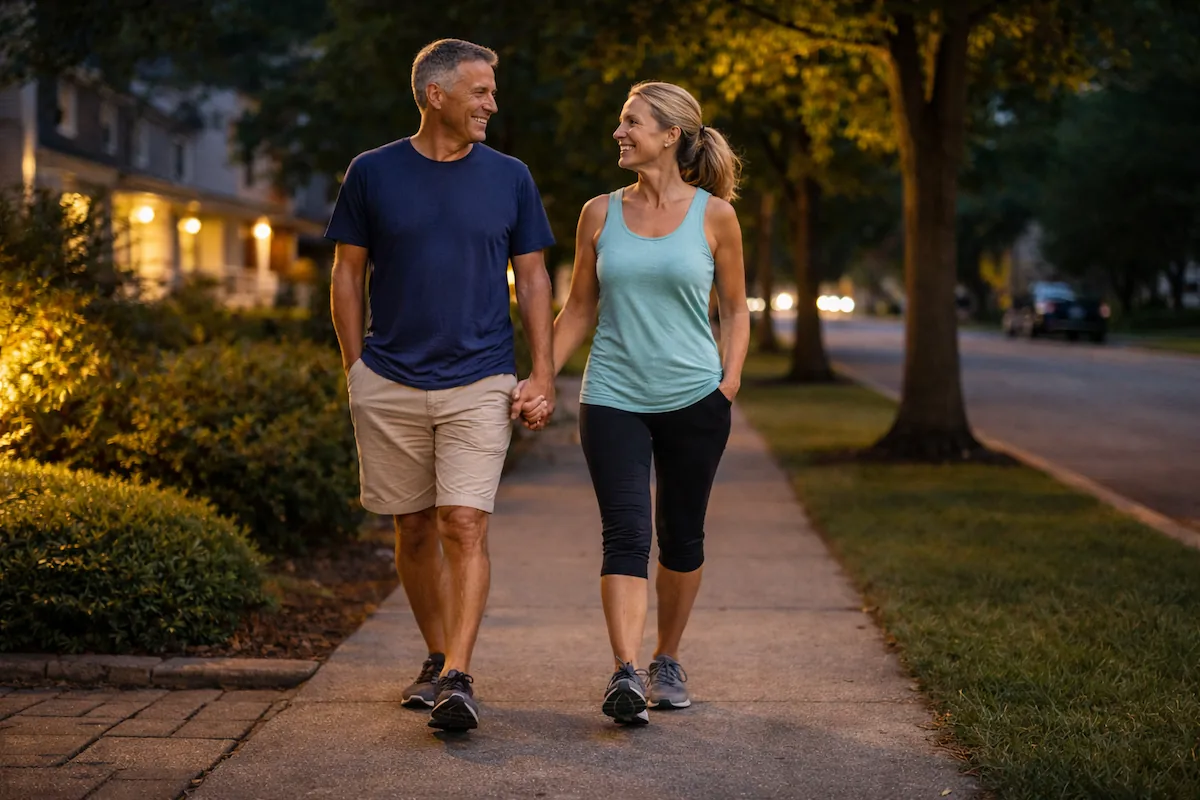
Why does this work so well? When your muscles contract during walking, they absorb glucose directly from your bloodstream — without needing insulin. This is called non-insulin-mediated glucose uptake, and it’s one of the most powerful natural tools for blood sugar control.
Walking After Meals Benefits — 6 Reasons to Start Tonight
1. Lowers Post-Meal Blood Sugar Spikes
This is the most studied and most significant of all walking after meals benefits. Even a gentle 10-minute stroll activates your leg muscles, which act like a glucose sponge — soaking up excess sugar from your bloodstream before it can spike.
For people with insulin resistance or prediabetes, this single habit can make a measurable difference in daily glucose levels. Learn what your blood sugar after eating should be at 1 and 2 hours — and what counts as optimal. Walt to understand if you might have insulin resistance? Read our guide on the early signs of insulin resistance.
2. Improves Insulin Sensitivity Over Time
Regular post-meal walking doesn’t just help in the moment — it builds long-term insulin sensitivity. Each walk trains your muscles to absorb glucose more efficiently, reducing the burden on your pancreas over time.
Think of it as a daily deposit into your metabolic health account.
3. Supports Digestion
Walking after meals gently stimulates the muscles of your digestive tract, speeding up gastric emptying — the process by which food moves from your stomach to your small intestine. This can reduce bloating, discomfort, and that heavy “food coma” feeling after eating.
4. Reduces the Post-Meal Energy Crash
That afternoon slump after lunch? It’s largely caused by the blood sugar spike-and-crash cycle. By flattening your post-meal glucose curve, walking after meals helps you maintain steady energy throughout the day — no 3 PM coffee required.
5. Helps With Weight Management
One of the overlooked walking after meals benefits is its effect on fat storage. High post-meal insulin levels signal your body to store fat. By reducing those spikes, you’re also reducing the fat-storage signal — making it easier to manage your weight over time.
For women specifically, this is especially relevant — insulin resistance and weight gain are closely connected. Read our guide on insulin resistance symptoms in females to learn more.
6. Easy to Stick To
Unlike gym workouts or intense exercise routines, walking after meals requires zero equipment, zero preparation, and fits naturally into your daily routine. It’s one of the most sustainable healthy habits you can build — and sustainability is everything when it comes to metabolic health.
How Long Should You Walk After Eating?
The good news: you don’t need a long walk to see results.
Research shows that 10 minutes is enough to significantly reduce post-meal blood sugar spikes. Here’s a simple framework:
| Meal | Walk Duration | Timing |
|---|---|---|
| Breakfast | 10 minutes | Within 30–60 min after eating |
| Lunch | 10 minutes | Within 30–60 min after eating |
| Dinner | 10–15 minutes | Within 30–60 min after eating |
Total: just 30 minutes spread across the day — broken into easy, manageable chunks.
The key is consistency, not intensity. A gentle walk around the block is just as effective as a brisk pace for blood sugar control.
Does the Pace Matter?
You don’t need to power walk or break a sweat. The walking after meals benefits appear at any pace — what matters most is that you move. show that even a light-paced walk produces significant walking after meals benefits for blood sugar.
That said, a slightly brisker pace does amplify the effect. A good rule of thumb: walk fast enough that you could still hold a conversation, but feel slightly warm.
What If You Can’t Walk Outside?
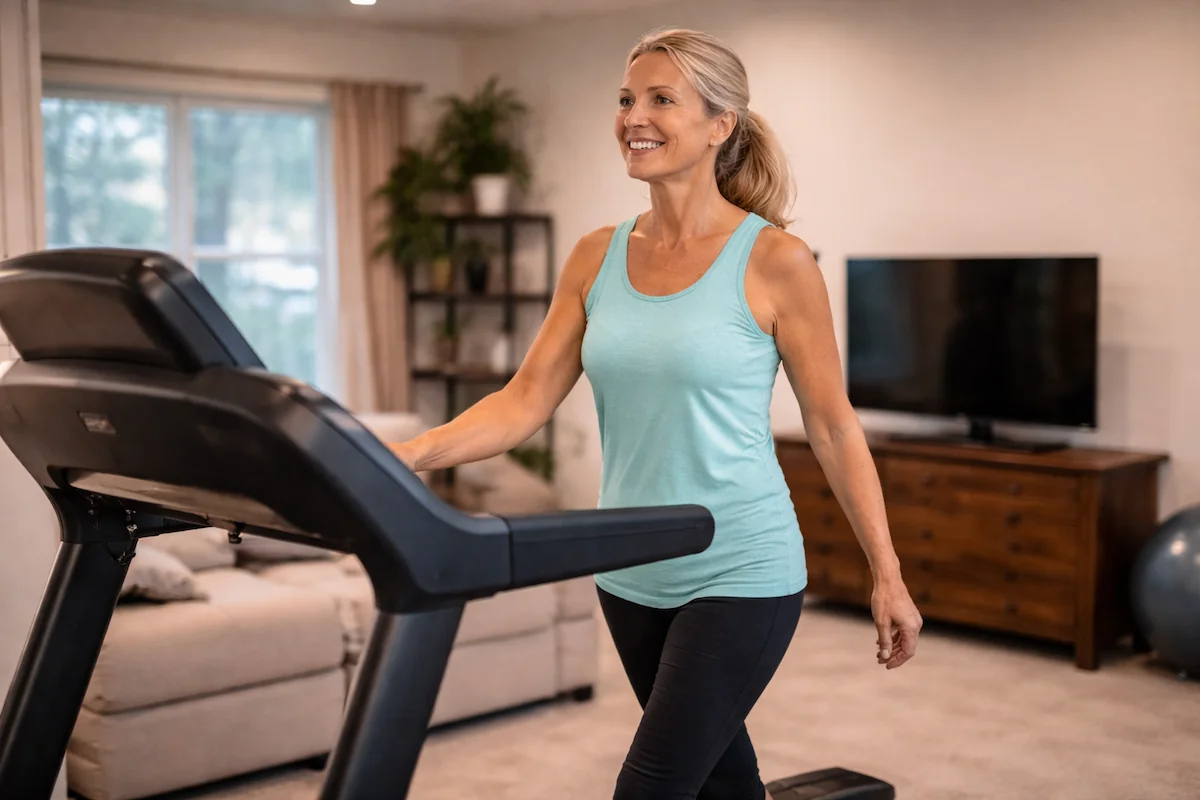
No garden? Bad weather? No problem. The walking after meals benefits don’t require fresh air or a scenic routeThe walking after meals benefits are the same indoors. Try:
- Walking around your home or apartment
- Marching in place while watching TV
- Light household chores — doing the dishes, tidying up, folding laundry
- Walking on a treadmill
The goal is simply to keep your muscles moving for 10 minutes after eating. The location doesn’t matter.
Walking After Meals vs. Walking Before Meals — Which Is Better?
Both have benefits, but research is clear: the walking after meals benefits for blood sugar are significantly greater than pre-meal walking: post-meal walking is more effective for blood sugar control than pre-meal walking.
This is because the glucose from your meal is already entering your bloodstream — and your muscles are there to absorb it in real time. Pre-meal walking doesn’t have access to that glucose surge.
For overall fitness and cardiovascular health, walking at any time of day is beneficial. But for blood sugar management specifically, after meals wins every time.
Who Benefits Most From Walking After Meals?
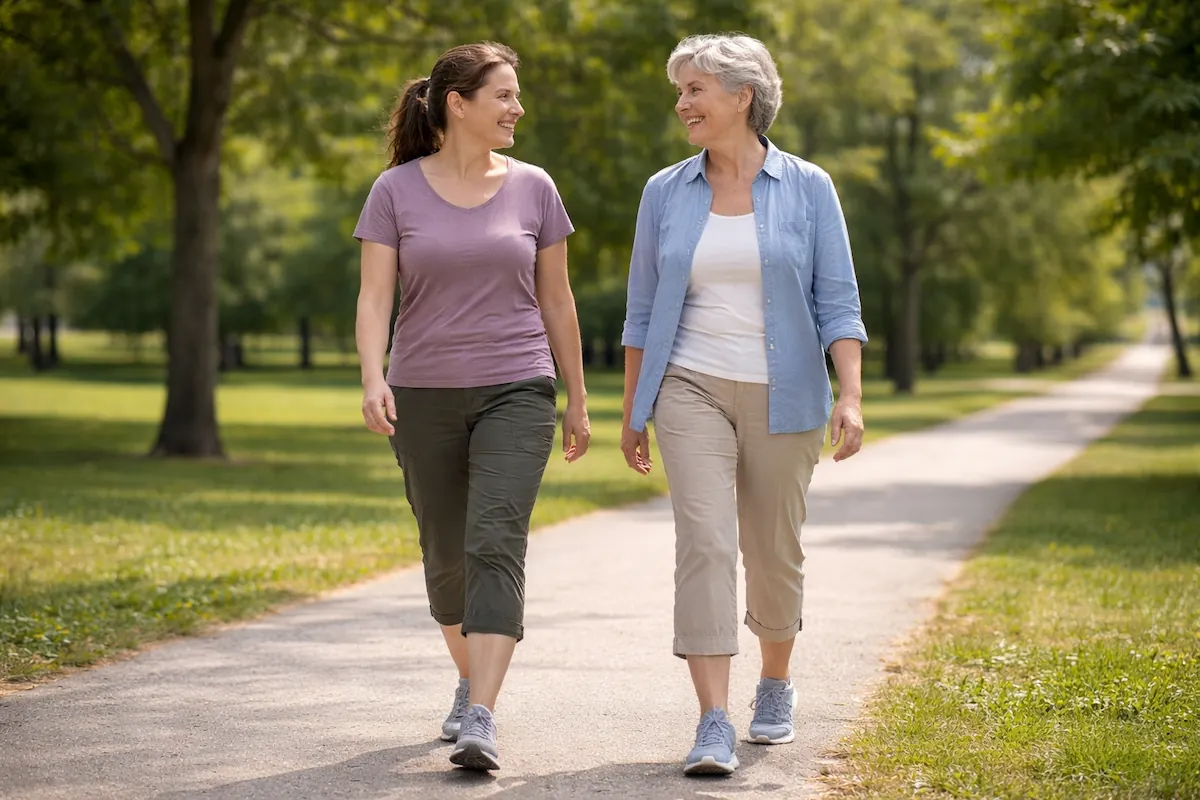
The walking after meals benefits apply to everyone, but certain groups see the most dramatic results:
- People with insulin resistance or prediabetes
- Anyone who experiences post-meal fatigue or energy crashes
- Women over 40 experiencing hormonal changes that affect metabolism
- People with PCOS, which is strongly linked to blood sugar dysregulation
- Anyone trying to manage their weight without extreme dieting
If you’re making changes to your diet alongside this habit, our guide on the best foods for insulin resistance will help you build the complete picture.
How to Build the Walking After Meals Habit
The biggest obstacle to walking after meals isn’t motivation — it’s forgetting. Building a consistent routine is the key to unlocking the full walking after meals benefits long-term. Here’s how to make it automatic:
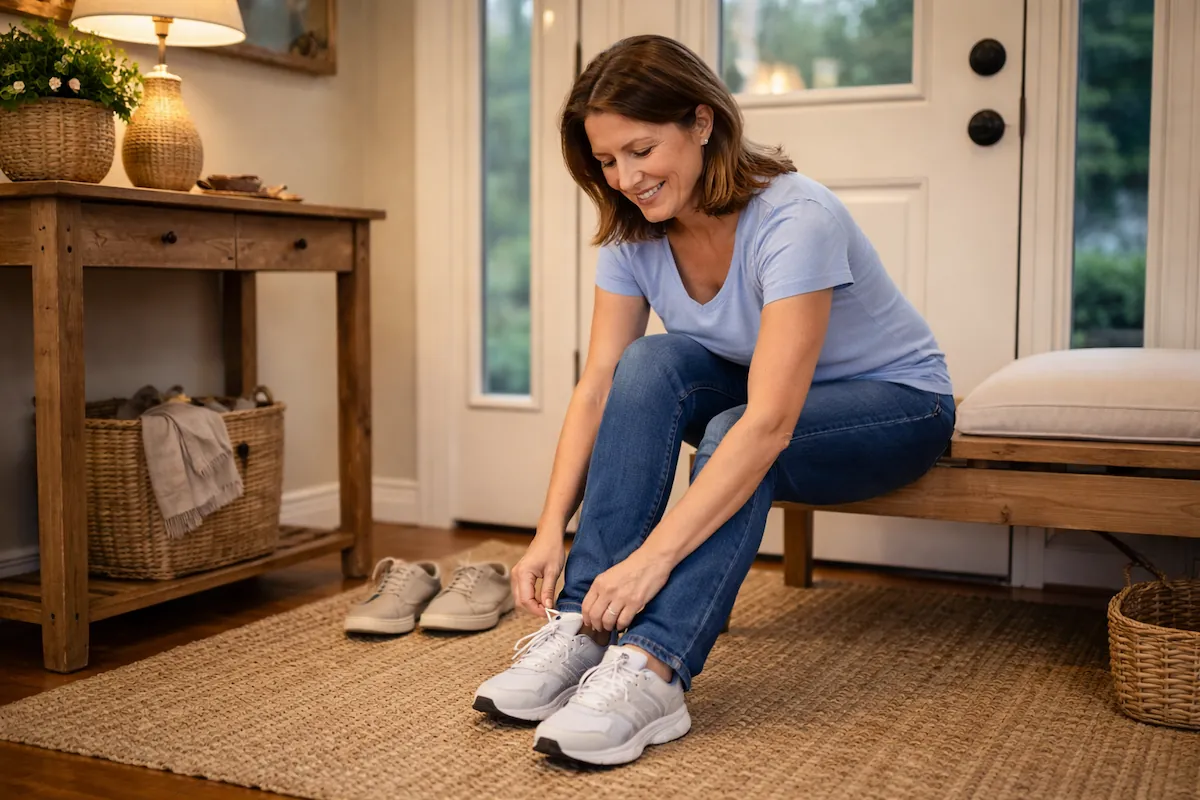
Habit stack it. Attach your walk to something you already do. “After I clear the dinner table, I go for a 10-minute walk.” This is called habit stacking, and it’s one of the most effective behavior change strategies in psychology.
Start with just one meal. Don’t try to walk after all three meals on day one. Pick dinner — it’s the easiest meal to build a routine around — and do it consistently for two weeks before adding more.
Keep your shoes by the door. Reducing friction is everything. If your shoes are visible and accessible, you’re far more likely to use them.
Track it simply. A simple checkmark on a calendar is enough. Seeing your streak builds momentum.
Remember: you’re not training for a marathon. You’re building a metabolic habit that compounds over time. Each walk after a meal is a small act of self-care — and those small acts, repeated daily, are what create lasting change.
Frequently Asked Questions (FAQ)
How soon after eating should I walk? Ideally within 30 to 60 minutes of finishing your meal, while blood sugar is still rising. Walking during this window produces the greatest reduction in post-meal glucose spikes.
Can I walk immediately after eating? Yes — a gentle walk immediately after eating is fine and beneficial. Just avoid intense exercise right after a large meal, as this can cause discomfort.
Does walking after meals help with weight loss? Yes, indirectly. By reducing post-meal insulin spikes, walking after meals reduces the fat-storage signal. Combined with a balanced diet, it supports healthy weight management over time.
How many steps do I need after a meal? Research suggests around 1,000 steps (approximately 10 minutes of walking) is enough to see meaningful blood sugar benefits. You don’t need to hit 10,000 steps — just move.
Is walking after meals good for everyone? Yes, for most healthy adults. If you have a medical condition affecting digestion or mobility, consult your doctor before making changes to your routine.
The Bottom Line
The walking after meals benefits are real, well-researched, and accessible to almost everyone. You don’t need a gym membership, special equipment, or an hour of free time.
Walking is just the beginning. If you’re ready to take the next step, our guide on exercises to reduce blood sugar levels covers everything from strength training to yoga — with a 7-day plan designed for real life.
Just 10 minutes after each meal can lower your blood sugar by up to 30%, improve your insulin sensitivity over time, boost your digestion, and eliminate that exhausting post-meal energy crash.
Start tonight. After dinner, put on your shoes and take a 10-minute walk. Your metabolism will thank you.
“One of the simplest things I tell people who are working on their metabolic health is this: don’t sit down after you eat. You don’t need a complicated workout plan. You just need to move. Ten minutes after dinner changed more of my clients’ energy levels than almost any supplement or diet tweak I’ve seen. Start small. Start tonight.”
— Sarah Mitchell
Sources & Scientific References
Sports Medicine: The Influence of Postprandial Walking — A comprehensive meta-analysis confirming that light-intensity walking after meals significantly reduces glucose and insulin spikes.
American Diabetes Association (ADA): Blood Sugar and Exercise — Official guidelines explaining how physical activity helps muscles use glucose for energy and improves insulin sensitivity.
Harvard T.H. Chan School of Public Health: Walking for Health — Research-based insights into how consistent walking routines lower the risk of type 2 diabetes and support cardiovascular health.
Cleveland Clinic: 6 Reasons Why You Should Take a Walk After Dinner — Expert insights into how walking aids digestion, speeds up gastric emptying, and prevents bloating.
Endocrine Society: Insulin Resistance and PCOS Management — Specialist guidelines confirming that lifestyle interventions like walking are foundational for managing hormonal balance in women.
Medical Disclaimer: The information provided on BioHealth Source is for educational and informational purposes only and does not constitute medical advice. Always consult with a qualified healthcare professional before making significant changes to your diet, exercise routine, or if you have questions regarding a medical condition.
Affiliate Disclosure: This post may contain affiliate links. If you click on one of these links and make a purchase, we may receive a small commission at no extra cost to you. This helps support our research and content creation. We only recommend products we truly believe in.